
Reviewed · TAHITI
4×4 Safari HEREAKIMANU Tour in the Heart of Tahiti
Tahiti’s most dramatic scenery is not along the coastal highway. It is up in the Papenoo Valley, where an open-air 4×4 follows rough mountain tracks past waterfalls, rivers, volcanic slopes, and places you could not reach in a normal rental car. I like the close look at Tahiti’s interior, and I like that the guides explain plants, customs, history, and daily life rather than simply pointing out viewpoints.
The trade-off is serious: this is an eight-hour pounding ride on rutted dirt roads, with deep potholes, narrow switchbacks, river crossings, and plenty of bouncing in the back of the vehicle. If your back is sensitive or you get motion sick, admire the scenery from the coast instead.
Key points to know before you book
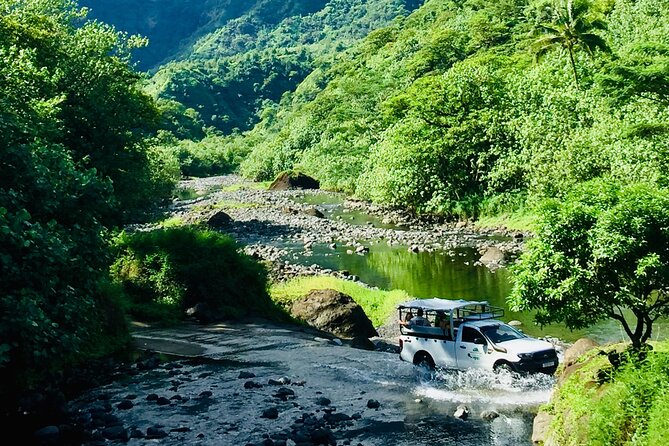
- The Papenoo Valley is the main event: You travel into Tahiti’s volcanic interior, far beyond the paved coastal road.
- The ride is genuinely rough: Expect potholes, puddles, narrow gravel tracks, steep sections, and repeated jolts for much of the day.
- Waterfalls appear in all weather: Rain can limit distant views, but it can also make the valley’s waterfalls much more dramatic.
- Guides add real local context: Leonie, Manua, Tere, Temaeva, and other guides have been praised for sharing Tahitian culture, plants, history, music, and local traditions.
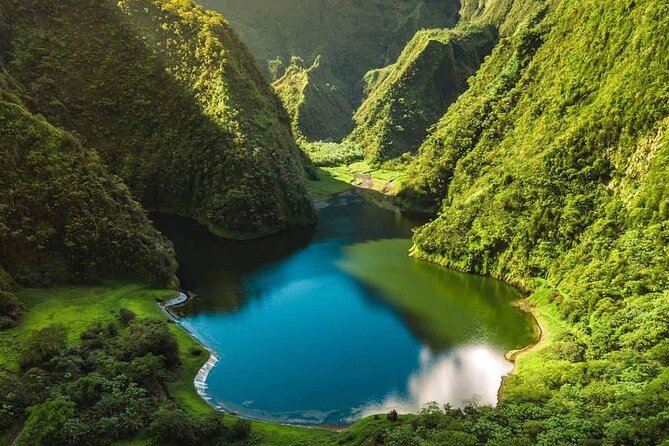
- You cross the island: The route links the east and west sides through the interior, including a tunnel near Vaihiria and views toward Tahiti’s only natural high-altitude lake.
- Small groups keep it personal: The vehicle carries no more than eight people, and the tour requires at least three passengers to operate.
Why this 4×4 reaches Tahiti’s wild center
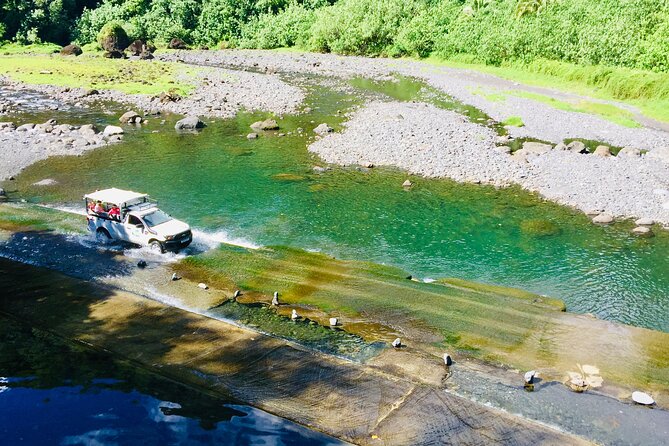
The coastal road gives you beaches, villages, restaurants, and easy viewpoints. This excursion offers something entirely different. It heads toward the island’s volcanic core, where the roads become tracks and the scenery changes from shoreline to steep green mountain walls, waterfalls, riverbeds, and old crater country.
The experience is less about ticking off one famous sight than spending a full day inside Tahiti’s interior. You will be in the vehicle for long stretches, but the route includes regular short stops for photographs and explanations. The most useful way to think of it is as a scenic expedition with cultural interpretation, not a gentle sightseeing drive.
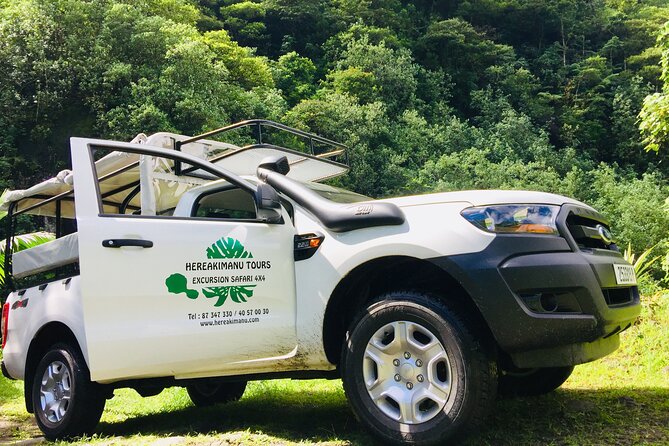
The open-air vehicle matters. You get broad views of the valley and can stand on the seats at suitable moments to look over the sides. It also means you are exposed to sun and tropical rain, so bring protection for both. The vehicle may have a roof or cover that can be adjusted as conditions change, but you should still dress for a wet and sunny day.
More 4WD Tours in Tahiti
- Crossing Island of Tahiti 4×4 Mountain, Waterfall, River, Basins
★ 4.5 · 532 reviews - Découvrez le Mana durant la traversée de Tahiti en 4×4 Safari
★ 5.0 · 456 reviews - Crossing Over Tahiti Island Safari 4×4
★ 4.5 · 307 reviews
From Papeno’o’s black sand to the mountain road
The morning begins around 8:30 a.m. on Tahiti’s east coast, near Papeno’o. This side of the island is known for black-sand beaches and surf spots, giving you an early look at the island’s volcanic character before the route turns inland.
The first stop is brief, about 10 minutes, but it helps set the scene. You can take photographs, hear about the coast, and watch the road shift from familiar island highway to rougher access route. Do not expect a long beach visit or a relaxed swim here. The coast is a starting point, not the main portion of the day.
Once the vehicle enters the Papenoo Valley, the tone changes quickly. The road becomes unpaved, narrow, and uneven. Large potholes and water-filled ruts are normal, not unusual exceptions. In wet weather, the route can be especially intense, but the rain also sends more water down the mountainsides.
Three hours inside the Papenoo Valley
The valley section takes roughly three hours, making it the heart of the outing. You pass steep volcanic slopes, streams, waterfalls, and thick tropical vegetation. The scenery changes around every bend, but the road demands equal attention. You may be admiring a waterfall one moment and bracing yourself against the next pothole.
The stops are short and useful. Guides point out plants, birds, mountain formations, and places of cultural importance. One guide has been praised for identifying grey-green fruit doves and hawks, while other guides have explained native and introduced plants along the route. If you enjoy botany or birdwatching, this adds much more to the ride than a simple photo stop.
Rain does not necessarily spoil the day. In fact, it can turn the valley into a curtain of falling water, with many waterfalls running at once. The drawback is that clouds may block distant views, and wet roads make the ride harder. You need to accept that Tahiti’s weather is part of the setting, not something the operator can control.
The drive also gives you a better sense of the island’s scale. Tahiti can look compact on a map, yet the interior feels remote and difficult to cross. The 4×4 makes it possible to reach this area without hiking the entire route, but the price is a long, physical ride.
Fare Hape and a taste of traditional life
After reaching the caldera area, the route continues to Fare Hape, an authentic village with historical importance. This stop lasts about an hour and offers a change from constant driving.
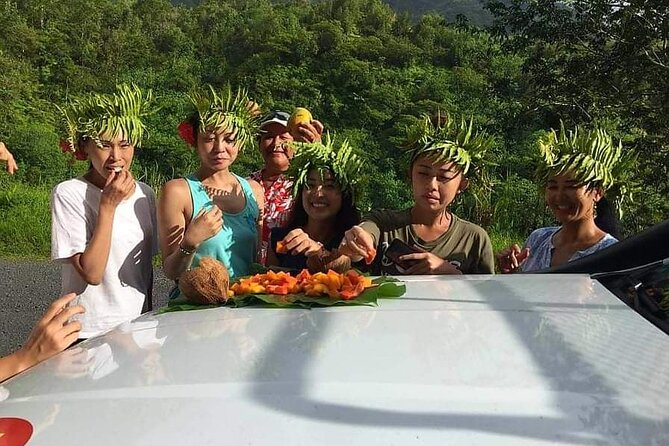
Fare Hape helps connect the scenery to human life. Guides explain traditional ways of living, local customs, and the importance of the valley. Depending on the guide and the day, the cultural side may include Tahitian songs, ukulele music, dance demonstrations, flower crowns, or stories about rituals and daily life.
This is one of the strongest parts of the experience because it gives the mountain road meaning. Without explanation, a waterfall is only a waterfall. With a local guide, you learn how the interior fits into Tahitian identity and how people have lived with the island’s difficult terrain.
The tour includes a platter of local fruit, and one guide has served fruit during a picnic and swimming stop at a sacred place. The exact arrangement may vary, so do not treat this as a full meal or a guaranteed swim. Lunch and drinks are not included. The group stops at a supermarket so you can buy what you need, which is practical but means you should plan your food rather than expect a catered lunch.
Other trips inland in Tahiti:
- Bora Bora by Land and Sea: 4WD Safari and Snorkel
★ 4.7 · 80 reviews - Moorea:4X4 safari excursion between land and sea with lunch
★ 4.7 · 28 reviews - Albert Tours Excursion Safari – Moorea Safari tours&pick up
★ 4.7 · 5 reviews - Moorea Cruise Ships 4×4, Belvedere Magic mount PRIVATE Tours
★ 5.0 · 4 reviews
The tunnel, Vaihiria, and the crossing to the west
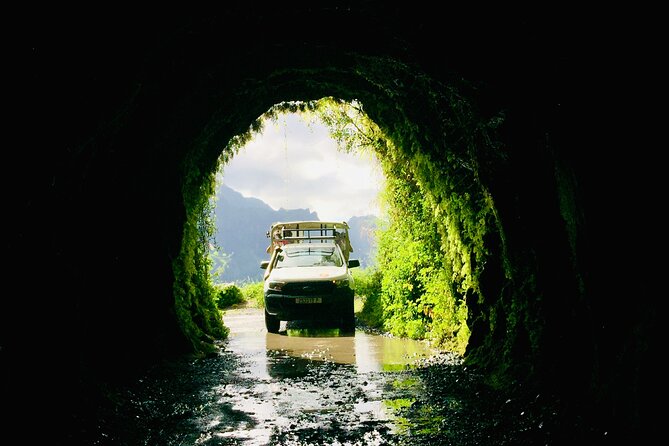
The final major section takes about three hours and continues through the interior toward the island’s west side. A tunnel connects the east coast area with the west, and the route offers views toward Vaihiria, Tahiti’s only natural high-altitude lake.
This part of the drive feels like a true crossing of the island rather than a return along the same road. You travel over mountain tracks, through steep sections, and past waterfalls that may appear beside the road after heavy rain. Some sections include narrow switchbacks and deep puddles. Oncoming traffic can be difficult or impossible in the tightest places, which explains why a skilled local driver matters.
Guides including Leonie, Manua, Tere, and Temaeva have been praised for driving carefully over difficult terrain while explaining the surroundings. Leonie is especially noted for combining local stories with information about plants, wildlife, and culture. Tere has been praised for managing sudden changes between rain and sun, adjusting the vehicle’s cover as conditions shifted.
You may also cross rivers or pass over a dam wall. These moments can feel exciting, and in poor weather they may feel intimidating. The operator describes the activity as unsuitable for pregnant people and those with back problems, and that warning deserves your full attention. This is not a soft-road excursion.
What the guides add to the day
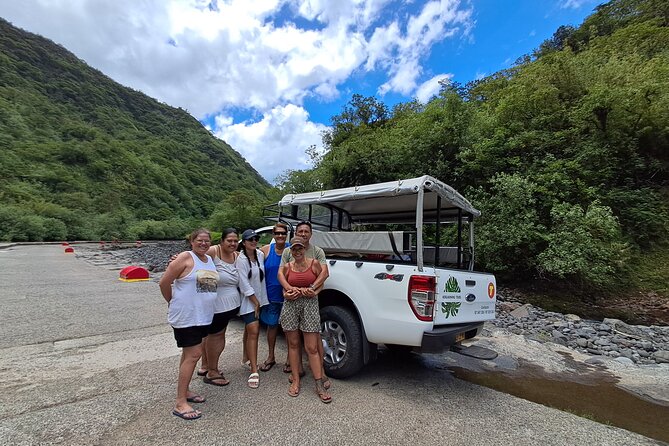
The guide can make or break a long ride, and this tour depends heavily on the person behind the wheel. You are not simply being driven to viewpoints. The guide is also your interpreter of Tahiti’s plants, history, customs, geography, and present-day life.
Several guides speak multiple languages. Leonie has been described as speaking seven languages, while another guide was praised for moving easily among French, Tahitian, Spanish, and English. Language availability can vary, so confirm your preferred language before booking. A German-language departure, for example, was not always conducted in German.
The cultural touches can be memorable. A guide may demonstrate a Tahitian dance, play ukulele, sing during lunch, use a large shell to show how sound carries in the mountains, or teach a child how to make a flower crown. These details give the day warmth and help balance the punishing road.
The guides also seem comfortable explaining the island without turning the day into a lecture. That matters because you spend so many hours together. A friendly, engaging guide can turn a rough ride into a shared adventure, while a quiet or less communicative guide would make the same road feel much longer.
How rough is the ride?
Very rough. You should not soften this point when deciding.
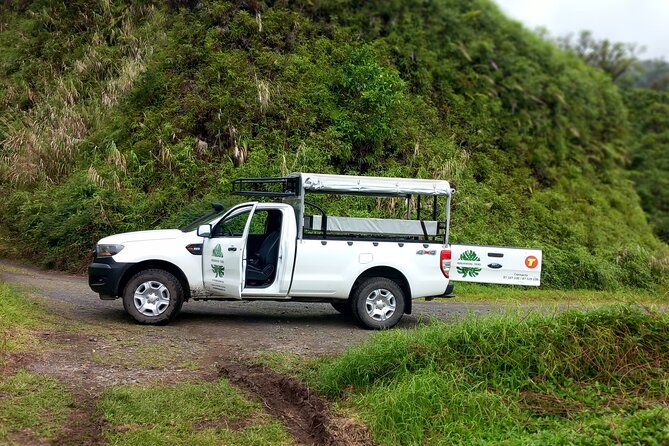
The vehicle is an open-air safari-style 4×4, and much of the day is spent on rutted dirt roads. Expect repeated bouncing, deep potholes, steep climbs, switchbacks, puddles, and occasional river crossings. One description compared the ride to a donkey journey over a steep mountain pass. That comparison is colorful, but it communicates the physical demand accurately.
Even people who rarely get motion sick may feel unwell afterward. You will be sitting close to other people, and the vehicle’s movements can throw passengers into one another. Wear secure shoes, keep personal items well packed, and bring any motion-sickness medicine you normally use. The tour operator specifically advises against booking if you are pregnant or have back problems.
The ride is not a flaw hidden inside the activity. It is the activity. The rough track is what allows the vehicle to reach places beyond the paved road. You need to decide if the scenery and access are worth eight hours of discomfort.
What the $143.27 price gets you
At $143.27 per person, this is a strong value if your priority is seeing Tahiti’s interior in one day. The price covers about eight hours with a specialist driver-guide, a small group of no more than eight people, access to rough mountain routes, cultural interpretation, and local fruit.
You are also paying for the ability to cross difficult ground without arranging a rental 4×4, finding the route, or taking responsibility for the mountain driving. That matters on tracks with deep holes, narrow sections, and limited room for passing.
The value is weaker if you want comfort, a full meal, or a relaxed sightseeing pace. Lunch and drinks cost extra, and a large part of the day is spent in transit. The activity is best compared with an adventure tour, not a standard island coach trip.
Pickup is offered, though the supplied details do not specify every pickup location. The activity ends back at the meeting point. Luggage is not supported, so bring only what you need for the day.
Who should book this Tahiti safari?
I would choose this tour if you want mountain scenery, waterfalls, local stories, and access to places that are difficult to reach independently. It is particularly suitable for people who enjoy rough-road adventures, photography, tropical plants, volcanic geography, and small-group guiding.
It also works well for families with older children who can handle a long day in a bouncing vehicle. One family described a 10-year-old learning about Tahitian culture and making a flower crown, but the physical ride still requires good judgment. The tour information calls for moderate physical fitness.
I would hesitate if you have a bad back, motion sickness, limited mobility, or a strong preference for smooth transport. I would also skip it if your Tahiti visit is short and you need a predictable schedule, since weather and road conditions can affect the day.
The minimum group size is three people. If that number is not reached, the operator may cancel, suggest another date or route, or offer a refund. Poor weather can also lead to a changed date, a different circuit, or a full refund.
Practical packing advice for the eight-hour day
Bring lunch money or food, drinks, sun protection, rain protection, and clothing that can handle dust and water. The tour includes local fruit, but it does not include a full lunch.
Wear clothing suited to sitting outdoors and getting wet. Keep cameras and phones protected from spray and rain, especially during river crossings or heavy showers. The open-air vehicle gives you better views, but it also leaves you exposed.
Arrive ready for a full day. The 8:30 a.m. start and approximate eight-hour duration mean this is a major part of your Tahiti schedule, not a quick morning outing. Avoid booking another time-sensitive activity immediately afterward.
Should you book the Hereakimanu 4×4 safari?
Book it if you want Tahiti beyond beaches and resort views, and if a rough ride sounds like a fair price for waterfalls, volcanic scenery, local culture, and the Papenoo Valley. The strongest reasons to go are the access to the interior and the guides’ personal stories, plant knowledge, music, and cultural explanations.
Skip it if comfort matters more than access. The road is not mildly bumpy. It can be exhausting, motion-inducing, and physically demanding for nearly the entire day.
For the right person, this is one of the most direct ways to see Tahiti’s wild center. Just treat the road conditions as the main warning, not a footnote.
FAQ
How long does the 4×4 safari last?
The activity lasts approximately eight hours, beginning at 8:30 a.m. and ending back at the meeting point.
How much does the tour cost?
The listed price is $143.27 per person.
What places does the tour visit?
The route includes Papeno’o, the Papenoo Valley, Fare Hape village, the tunnel linking the east and west sides, and views toward Vaihiria, Tahiti’s only natural high-altitude lake.
Is lunch included?
No. Lunch and drinks are not included. The group stops at a supermarket so you can buy what you need. Local fruit is provided.
How many people can join the tour?
The maximum group size is eight people. At least three passengers are required for the activity to operate.
Is the ride suitable for people with back problems?
No. The tour is not recommended for people with back problems or pregnant people because the route is extremely rough.
What happens if the weather is bad?
If poor weather or another force majeure event affects the tour, the operator may offer a different date, a different route, or a refund.
Is luggage allowed?
No. Luggage is not supported on this activity.
Can I cancel for a refund?
You can cancel at least 24 hours before the start time for a full refund. Cancellations or changes made less than 24 hours before the start time are not accepted for a refund.
Just added in Tahiti
- Tahiti Classical Coastal Full Day Private Tour★ 5.0 · 7 reviews
- Tahiti E-bike, mtb, vtt Tour with Swimming and Lunch★ 4.0 · 3 reviews
- Tahiti: East or West coast tour (Half Day)★ 4.3 · 4 reviews
- Moorea: Island Tour with Waterfall Hike and Lunch★ 5.0 · 3 reviews
- Moorea Cruise Ships 4×4, Belvedere Magic mount PRIVATE Tours★ 5.0 · 4 reviews
- Albert Tours Excursion Safari – Moorea Safari tours&pick up★ 4.7 · 5 reviews
- Shared 2 Hour Papeete Walking Tour★ 5.0 · 13 reviews
- Private Big Game Fishing Day★ 4.5 · 17 reviews
4WD & Island Safaris, compared.
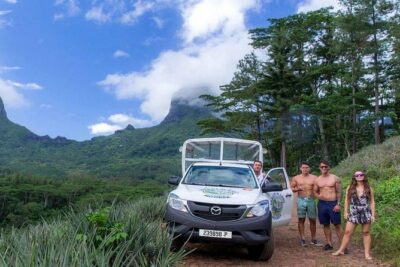
Moorea 4WD Tour Inc. Belvedere, Pineapple Farm, Magic Mountain…
Read our review →


Aqua Safari Introductory Helmet Dive (Underwater Walk)
Read our review →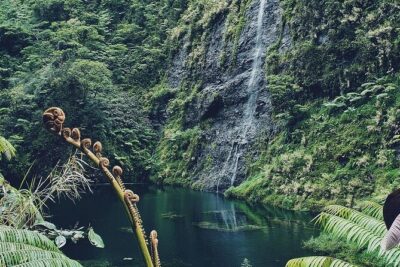
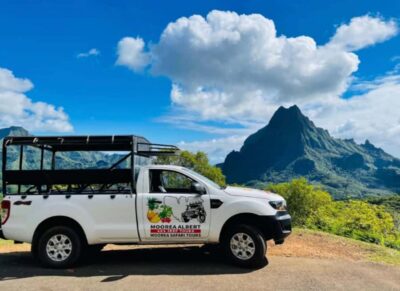
Half-Day Open-Air 4WD Safari with Hotel Transfers
Read our review →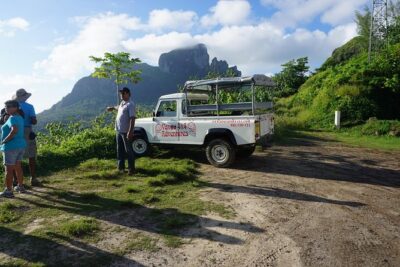
Bora Bora Combo Tour: Lagoon Cruise and 4WD Tour Including Snorkeling
Read our review →Browse the lists this tour appears in