
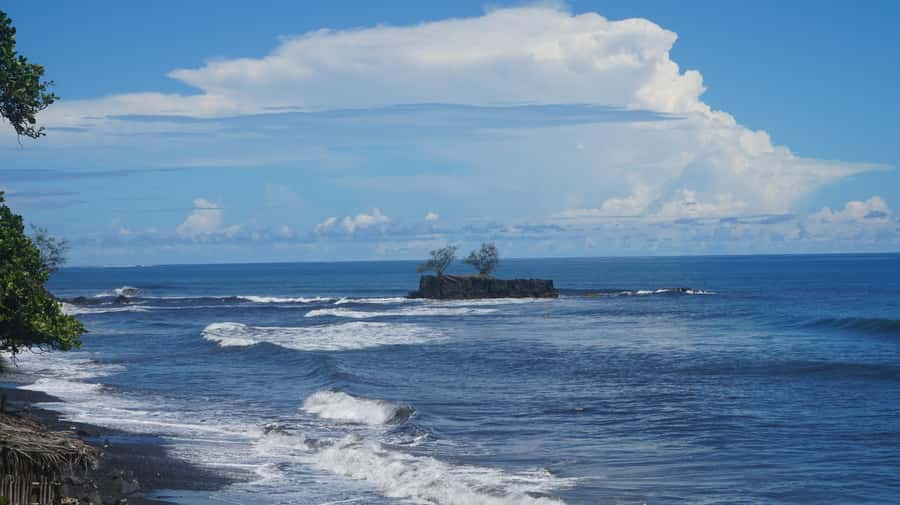
Reviewed · TAHITI
Tahiti: Northeast Coast Waterfalls&Viewpoints Half Day Tour
Tahiti’s northeast coast gives you far more than a pretty drive. In five hours, you move from jungle waterfalls to black sand, pounding surf, old Polynesian traditions, and the exact bay where Captain Cook observed the 1769 transit of Venus. It is a compact way to see the island’s wild side without spending a full day in a vehicle.
I like the private format, which lets your guide adjust the pace and answer your questions instead of herding you from one photo stop to the next. I also like the mix of nature and culture, especially the Faaone Twin Waterfalls and Point Venus. The main drawback is time: with so many stops packed into five hours, most visits are brief, and the Arahoho Blowhole itself may be closed.
Quick takeaways from Tahiti’s northeast coast
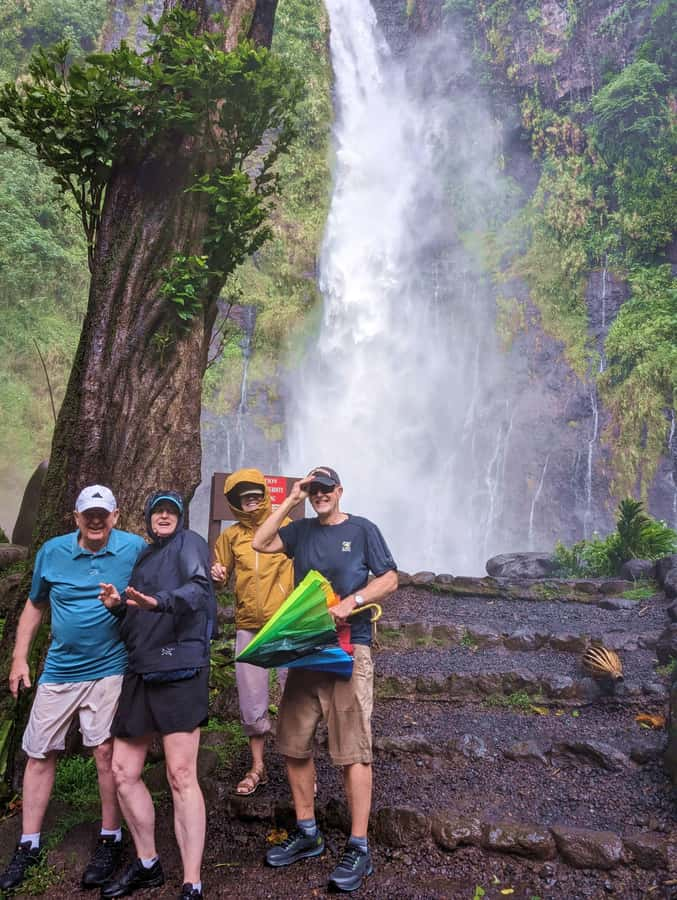
- Faarumai Waterfall: A short forest walk leads to a powerful cascade and a calm pool surrounded by tropical greenery.
- Faaone Twin Waterfalls: A symbolic Polynesian site where masculine and feminine energies are said to meet.
- Black sand and surf: Pointe Tapahi and Motu Anapa show you Tahiti’s volcanic coast at its most dramatic.
- Point Venus: Visit the historic landing area connected with Captain Cook and the 1769 transit of Venus.
- Tahara’a Lookout: Finish with broad views over Matavai Bay, Papeete, and Moorea.
- Private flexibility: A nine-seat van and private guide make this a useful choice for families, cruise passengers, and small groups.
Why this five-hour route works well
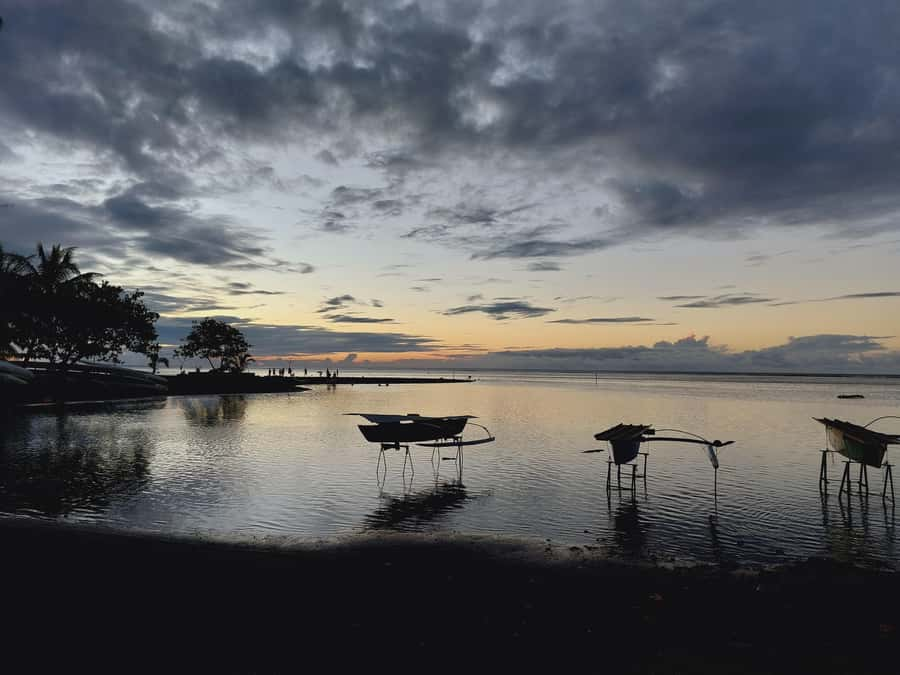
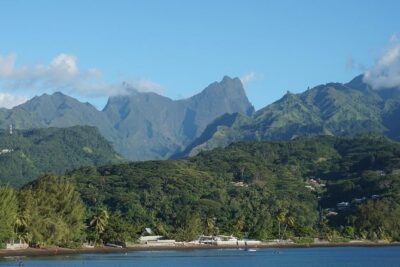
This tour follows Tahiti’s northeast coast from Papeete, where black lava rock meets the Pacific and steep green slopes rise inland. You are not simply checking off viewpoints. The route gives you several ways to read the island: through volcanic geology, Polynesian beliefs, local surf culture, and European exploration.
The price is $590 per group of up to seven people. That is not a bargain for one person, but it can be fair for a family or group that fills the van. Split seven ways, the cost comes to about $84 per person before any food or drinks. You are paying for private transport, a guide, pickup, and a route that would be awkward to cover in a short half-day without your own vehicle.
The private setup matters most if your group has mixed interests. One person may want more time for photos, another may want cultural stories, and someone else may need a slower walk. The guide can respond to that better than a large shared bus can. The experience is also useful on a cruise day because pickup is available at the Papeete port, with return to Papeete.
You receive a bottle of spring water, but food and other drinks are not included. Bring more water if you need it, along with sunscreen, comfortable shoes, and a camera. Tahiti’s sun can feel strong even during a short outing, and some stops involve uneven ground or a short walk.
More walking inland in Papeete:
- Private Tahiti Circle Island – Waterfalls, Black Sand & Views
★ 5.0 · 92 reviews - Tahiti excursion adventure circuit MTB MTB E-Bike private valley
★ 5.0 · 54 reviews - Tahiti Half Day Small Group Circle Tour – Waterfalls & Caves
★ 4.7 · 25 reviews
Faarumai Waterfall and the first forest stop
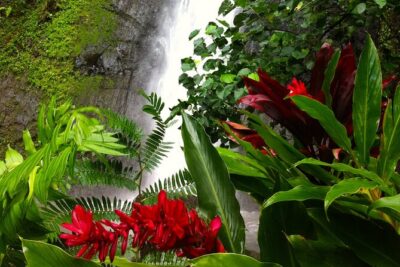
Faarumai Waterfall is one of the tour’s best nature stops. After a short walk through the forest, you reach water dropping into a quiet pool. The setting changes quickly from roadside Tahiti to thick tropical vegetation, with the sound of falling water replacing traffic and surf.
You have about 20 minutes here, which is enough to take photographs and enjoy the setting, but not enough for a long walk or a leisurely swim. The tour information describes the pool as tranquil, not as a designated swimming area, so treat this as a viewing stop unless your guide says otherwise.
I like that this stop comes early. It gives you a clear sense of Tahiti’s interior before the route returns to the coast. The waterfall also provides a welcome contrast to the hard black rock and open sea you see later.
Wear shoes with a decent grip. Comfortable footwear is specifically recommended, and that advice makes sense for a forest path. The walk is short, but tropical ground can be damp or uneven.
Faaone Twin Waterfalls and Polynesian meaning
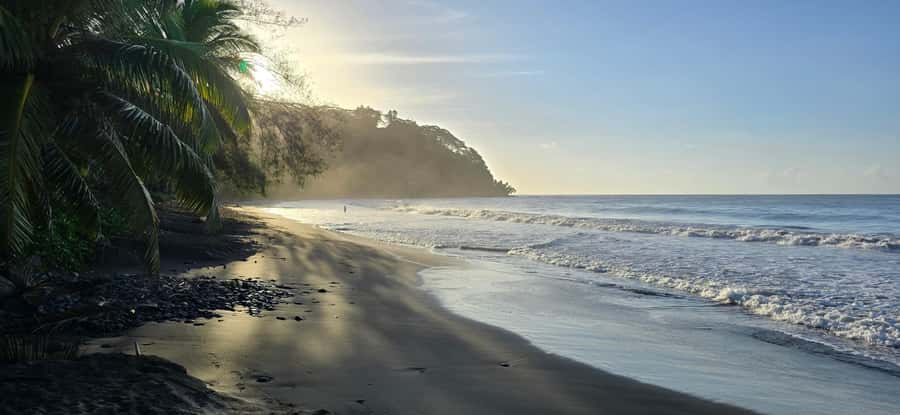
The Faaone Twin Waterfalls offer more than another waterfall photograph. They are linked with a Polynesian belief that masculine and feminine energies meet here. In local tradition, the falls embody mana, the spiritual life force associated with Polynesia.
You get around 20 minutes for a guided visit and photos. This is a good place to listen closely to the guide rather than rushing straight to the camera. The cultural explanation gives the site a sense of place that a quick roadside stop would miss.
The surrounding vegetation is described as fragrant, which adds another small sensory detail to the visit. Still, keep expectations realistic. This is a short stop, not a long cultural program or a formal ceremony. The value comes from the setting and the explanation your guide provides.
A private guide helps here. You can ask what the twin form means, how local traditions connect nature with spiritual life, and how the site fits into Tahiti’s wider culture. If you are interested in plants, the guide may also add useful observations. Ray, one of the guides associated with this experience, has been noted for explaining local plant life and Tahitian culture in an engaging way.
Arahoho Blowhole and Tahiti’s rough volcanic edge
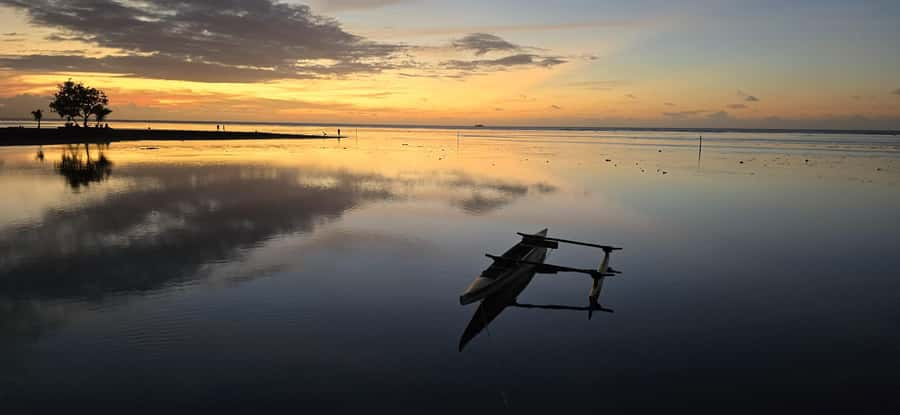
The Arahoho Blowhole area shows the force of the Pacific against Tahiti’s lava rock. Waves crash into the coast, and the shoreline feels raw and powerful. The stop lasts about 15 minutes, so you have time to look around and photograph the oceanfront view.
There is one important qualification. The blowhole itself may be temporarily closed. That means you should not book this tour solely to see water shoot through the rock. Even if access is restricted, the coastline remains worth seeing, with waves breaking against dark volcanic formations.
This is a good example of why the tour works better as a complete route than as a single-attraction outing. Conditions or closures can affect one stop, but you still have waterfalls, beaches, historical sites, and viewpoints built into the day.
Stay alert near the edge. The information provided does not promise barriers, safe access to the rocks, or a particular viewing platform. Let the guide direct you and do not wander onto wet lava for a better photograph.
A different sort of day out:
- 5 Hours Tahiti Island Tour – West and East Coast
★ 5.0 · 1,020 reviews - Moorea Street Food Tour
★ 5.0 · 410 reviews - Unique Tahiti Tour – personalised, small group east coast tour
★ 4.5 · 314 reviews - Unique Tahiti Tour – personalised, small group west coast tour
★ 5.0 · 286 reviews
Motu Anapa and the rhythm of local surf
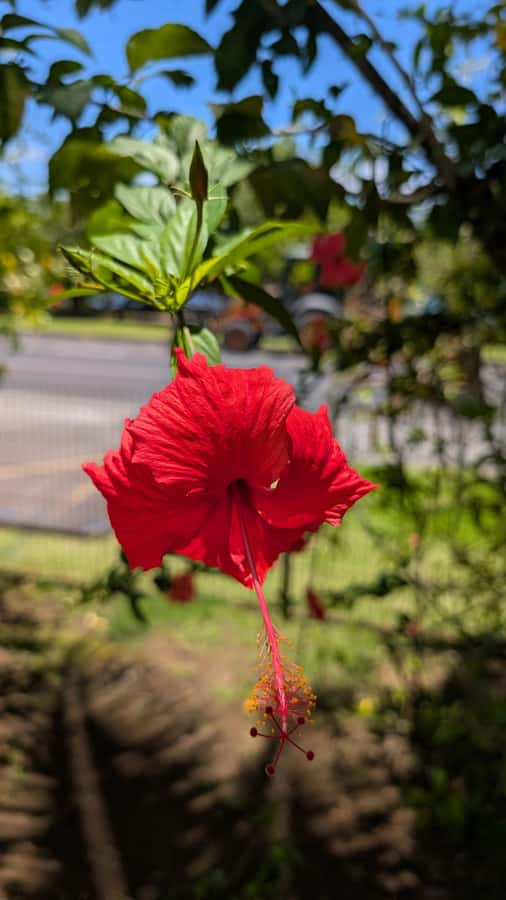
Motu Anapa is a lava rock formation shaped by the sea and local legend. The area also gives you a look at surfers challenging the nearby waves. Their presence connects the old volcanic coast with present-day Tahiti, where the ocean is not just scenery but part of daily life and local identity.
This stop is listed as a guided visit of about 15 minutes. It is not presented as a surfing lesson or a chance for you to enter the water. You are there to watch, take in the setting, and hear the story connected with the rock formation.
The tour also points out the Olympic surfing venue, and one detailed account of the experience describes seeing sizable surf breaking on the reef. That can be a memorable moment for anyone interested in wave culture. Conditions vary, so the size and drama of the surf will depend on the day.
Pointe Tapahi’s black sand and open Pacific views
At Pointe Tapahi, the coast opens into long black sand beaches backed by strong surf. The color comes from Tahiti’s volcanic origins, and the dark shore makes the blue water and green vegetation look especially sharp in photographs.
This is one of the better stops for people who want a sense of Tahiti beyond hotel beaches. The coast feels exposed and energetic here, with local surfers favoring the area. You can watch the waves and see how residents use this stretch of shore.
The stop is also useful for photographers. You get a broad coastal view rather than a tight waterfall scene, and the changing light can make the black sand look different from one minute to the next. Bring your camera, but protect it from spray if the sea is rough.
Do not expect a quiet resort beach. The attraction is the surf and volcanic character, not calm swimming water. The itinerary does not include beach time for swimming, and the powerful surf is part of what makes the area interesting.
Point Venus and the 1769 transit of Venus
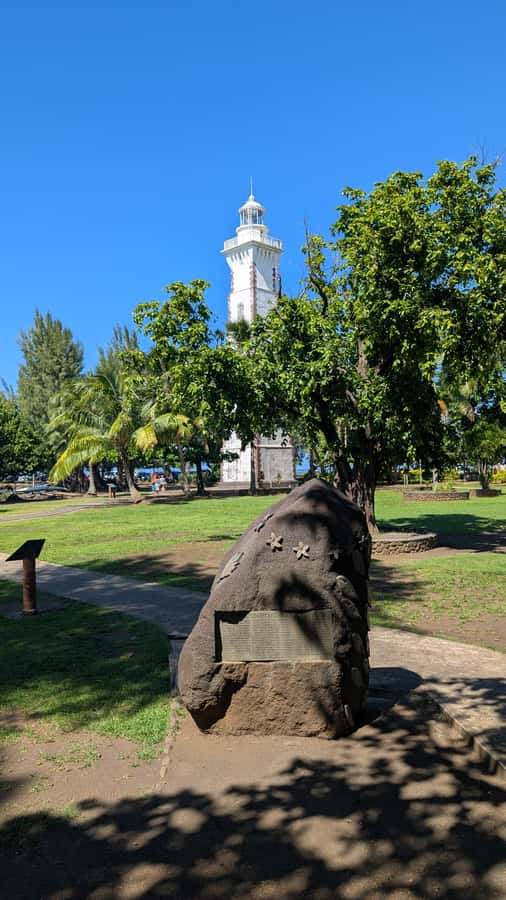
Point Venus combines beach scenery with a major moment in European exploration. Captain James Cook observed the transit of Venus here in 1769, and the area later became an important landing point for European explorers. Monuments connected with Cook and the Bounty crew sit near the black sand beach and palms.
You have about 25 minutes, making this one of the longer stops. That gives you time to walk around, take photographs, and let the historical setting register. The location is not just a plaque beside a road. You can connect the monuments with the bay, the beach, and the expeditions that used this part of Tahiti as a base.
A good guide can help put the event into context without turning the stop into a lecture. Ask about Cook’s observation, the Bounty crew, and the earlier Polynesian world that existed long before European arrival. The tour description promises cultural and historical interpretation, but the depth will depend on your guide and your questions.
Point Venus is also a pleasant visual break after the rough surf stops. Black sand, palm trees, open water, and historic markers give you a different kind of coastal experience. If you want a detailed museum visit, this is not that. If you want a concise historical stop with a strong setting, it fits the half-day format well.
Tahara’a Lookout and the final sweep over Matavai Bay
The route finishes at Tahara’a Lookout, where you can see the northern curve of Tahiti, Matavai Bay, Papeete, and the distant island of Moorea. This is the place to pause and connect the separate stops into one view.
Earlier parts of the route show the coast at eye level: rock, surf, trees, and waterfalls. From Tahara’a, you see the island’s shape and the relationship between the bay and the city. The viewpoint is especially useful if you are new to Tahiti and want to understand where Papeete sits within the island.
The schedule includes a 15-minute guided visit here. Again, that is enough for photos and orientation, but not a long picnic or sunset wait. The exact light will depend on the start time and weather, so check available departure times before booking if views are your top priority.
The lookout is also a strong final stop because it leaves you with a broad memory of Tahiti rather than ending at a single monument. You finish above the coast, looking back toward the city and across the water toward Moorea.
Transport, pickup, and the private group setup
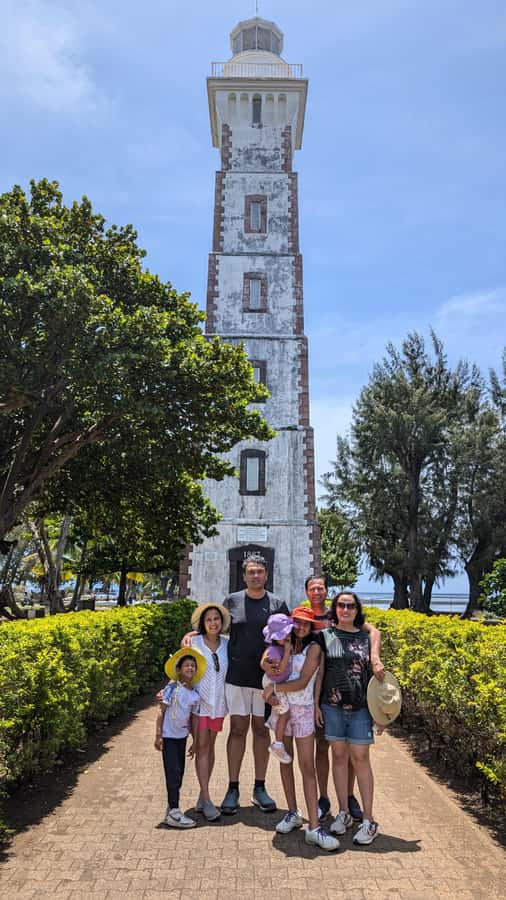
Transport is in a private nine-seat van, with groups capped at seven people. The extra seats should make the ride less cramped, especially if you are carrying bags or camera equipment. Luggage is allowed for up to four passengers. If more than four people need to bring luggage, contact the operator before booking.
Pickup is available from hotels around Papeete within 15 miles, as well as the Papeete cruise port, Faa’a airport, and the Moorea ferry terminal. This is particularly handy if you have a short gap between an arrival and a cruise departure. One detailed account describes the guide, Ray, helping with luggage between the airport and cruise embarkation point and suggesting a lunch spot. That kind of practical help can matter as much as the sightseeing on a tight travel day.
The guide can speak English or French, and Russian or German may be available. German and Russian guiding should be requested in advance because availability is not guaranteed. The tour is listed as wheelchair accessible, but the natural stops still involve outdoor surfaces, so ask about the specific route if mobility is a concern.
What kind of day should you expect?
This is a scenic and cultural sampler, not a relaxed beach day. You will make several short stops, spend time in the van, and move between inland vegetation, surf beaches, historic sites, and viewpoints.
I would choose it for a first look at Tahiti, a cruise stop, a family group, or anyone who wants a private route without renting a car. It also suits people who enjoy hearing stories about plants, local traditions, exploration, and surf culture.
I would think twice if you want long hikes, extended swimming, a full historical tour, or lots of unplanned free time. The five-hour schedule is efficient, but efficiency means the stops are measured. The private format gives you some flexibility, yet it cannot turn a half-day into a full-day outing.
The tour has a top rating from three verified bookings, and the strongest praise centers on the guide’s personal approach. Ray is described as entertaining, funny, flexible, and willing to shape the day around what the group wanted. The same account highlights lessons about Tahitian culture and local plants, along with caves, waterfalls, a lighthouse, local gathering spots, and surf at the Olympic venue. Those extra observations suggest that the guide may add small local stops or explanations beyond the main route when time allows.
Is the $590 price worth it?
For one or two people, the price is high. For a group of four to seven, the calculation improves because you are splitting the private vehicle and guide. The included pickup also saves you from arranging separate airport, port, or hotel transport.
The value is strongest when you need convenience. A private van, a five-hour route, and several far-flung coastal stops would be difficult to organize in a single half-day without driving yourself. You also get a guide who can explain the cultural meaning of the waterfalls and the history at Point Venus.
You still need to budget for food and drinks. Pack water beyond the supplied bottle, especially if the weather is hot, and bring sunscreen. The route is full enough that stopping for a substantial meal may not fit comfortably unless you arrange it with the guide.
Should you book this Tahiti tour?
Book it if you want a private, efficient introduction to Tahiti’s northeast coast and value a guide who can adapt the day. The best reasons are the range of scenery, the cultural explanation at Faaone, the history at Point Venus, and the final view from Tahara’a.
Skip it if your main goal is a long waterfall hike, a swim-focused outing, or a slow day at one beach. Also keep the Arahoho Blowhole closure in mind. You are booking a broad coastal experience, not a guarantee that every feature will be open.
For a small group arriving at the port, airport, or ferry terminal, I think the tour makes the most sense. It turns a transfer day or short stay into a useful look at Tahiti, with enough flexibility to make the route feel personal rather than mechanical.
FAQ
How long is the Tahiti northeast coast tour?
The tour lasts five hours, including pickup, sightseeing, and return to Papeete.
What is the price for the private tour?
The price is $590 per group of up to seven people.
Where can pickup be arranged?
Pickup is available in Papeete, at the Papeete port, Faa’a airport, Moorea ferry terminal, InterContinental hotel, and Hilton hotel. Hotel pickup is available within 15 miles of Papeete.
Which languages can the guide speak?
Guiding is available in English and French. Russian and German may be available, but you should contact the operator first because those guides cannot always be guaranteed.
Is the tour wheelchair accessible?
The activity is listed as wheelchair accessible. Because several stops are outdoors, contact the operator if you need details about access at a specific waterfall or viewpoint.
Can I bring luggage?
Luggage is allowed for a maximum of four passengers. Contact the operator if more than four people in your group need to bring luggage.
Is food included?
No. Food and drinks are not included. A bottle of spring water is provided.
What should I bring?
Bring comfortable shoes, a camera, sunscreen, and water. Comfortable footwear is useful for the short forest walk and outdoor coastal stops.
Can the Arahoho Blowhole be closed?
Yes. The blowhole itself may be temporarily closed, but the surrounding area still offers an oceanfront viewpoint with waves crashing against the lava rock.
Just added in Papeete
- Tahiti: Full Day Tour with Private Flight EN Cessna (Moorea & Tahiti)★ 3.5 · 3 reviews
- Tahiti: Full Day Tour of the Island★ 4.5 · 15 reviews
- Private transfer Airport, Hotels, Pensions, Ferry, Restaurants★ 4.5 · 16 reviews
- Tahiti: Full Day Tour with Taxi Boat (Teahupoo. OJ 2024)★ 5.0 · 14 reviews
- Small Group Shared Tahiti Circle Island Waterfalls and Views★ 4.5 · 3 reviews
- Private Tour of Tahiti’s East Coast 3hours★ 5.0 · 4 reviews
- Private : Tahiti Museum & Circle Island Tour, Afternoon Tour (5h)★ 4.0 · 6 reviews
- Group Guided Surfing Lesson in Tahiti★ 5.0 · 9 reviews
Waterfall & Valley Hikes, compared.
Private Tahiti Circle Island – Waterfalls, Black Sand & Views
Read our review →
Full-Day Upolu Island Tour with Waterfalls and Beaches
Read our review →

Tahiti excursion adventure circuit MTB MTB E-Bike private valley
Read our review →
Private Half-Day Hike in the Opunohu Valley in Moorea
Read our review →
Tahiti Half Day Small Group Circle Tour – Waterfalls & Caves
Read our review →Browse the lists this tour appears in