
Reviewed · MOOREA
Swimming with Whales in Moorea (Half Day tour)
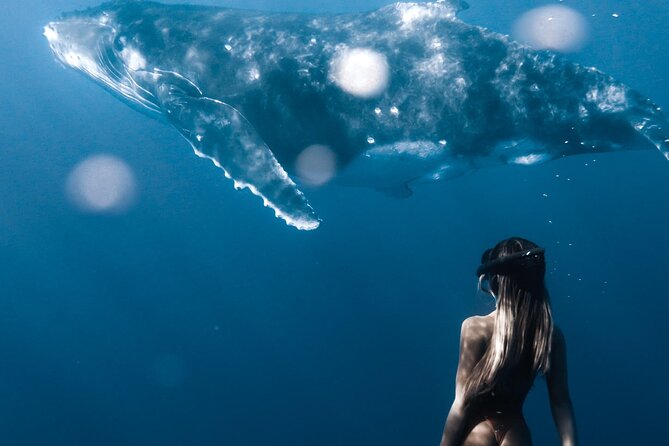
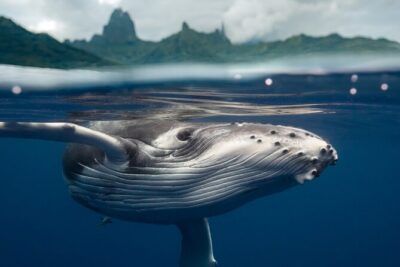
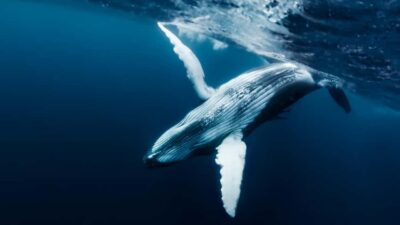
A humpback whale gliding beneath you in the open Pacific is the main event here. On a good morning, you may enter the water beside a mother and calf, float quietly as they pass, then watch more whales from the boat. The experience depends on wild animals and sea conditions, so a whale sighting is never guaranteed.
I like the small group and the crew’s clear focus on safety for both people and whales. I also like that non-swimmers can remain aboard and watch the action, while strong swimmers can use the provided mask, snorkel, and flotation gear. The catch is simple: you need to be comfortable in open water, and rough seas can make the four-hour outing tiring.
Key points to know before booking
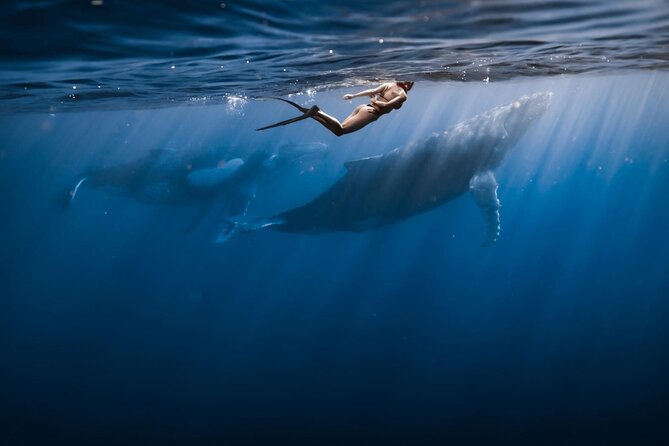
- Humpback season runs from July through late November, with the main goal of finding whales rather than visiting a fixed site.
- Only six people per boat may swim with humpback whales under 2025 regulations, keeping the in-water group small.
- Strong swimming and snorkeling skills are required, especially when whales move or the sea becomes choppy.
- The boat remains part of the experience, with whale watching possible even if you decide not to enter the water.
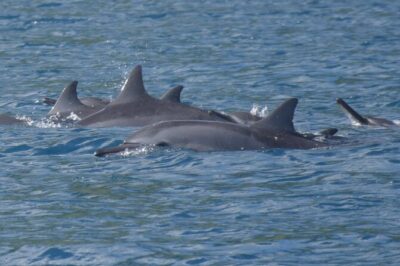
- Dolphins, stingrays, sharks, and turtles may appear, but these encounters depend on nature.
- Bring a wetsuit if you want to avoid wearing a life jacket, as French rules require one unless you are wearing a shorty or full wetsuit.
Why this Moorea whale trip feels different
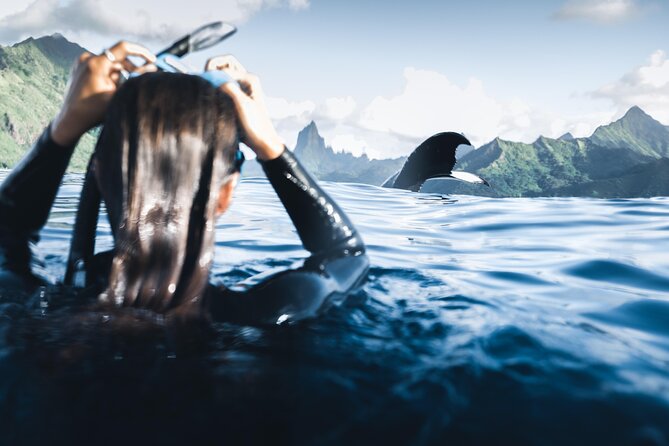
This is not a guaranteed wildlife show. You board a small boat, search the open water, and wait for the crew to read the sea and the animals. That uncertainty is part of the value, but it also explains why some outings produce a life-changing encounter while others bring dolphins, rough water, or whales seen only from the boat.
The main aim is to find humpback whales between July and late November, when they are present in Moorea’s waters. The crew may also look for dolphins, stingrays, blacktip sharks, and turtles. Those extra sightings make the trip worthwhile on a day when whales stay out of reach, but you should book this for the chance to see whales, not for a guaranteed menu of animals.
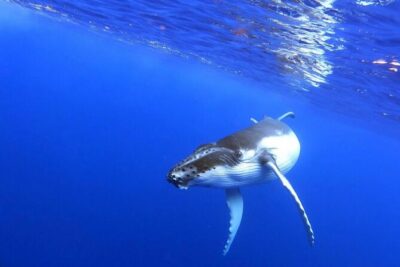
The strongest accounts describe mothers and calves passing close by, sometimes more than once. One outing included two water entries with a mother and calf, while another included several whales followed by stingrays and small sharks. These moments are powerful because you are not watching from a distant shoreline. You are floating in the same open sea, with the animal’s movement and size revealed gradually as it approaches.
More Whale Watching in Moorea
- Humpback whale watching and marine life in Moorea
★ 5.0 · 199 reviews - Half day whale tour 4h00
★ 4.5 · 181 reviews - Private tour observing and swimming with humpback whales in Moorea
★ 5.0 · 126 reviews
The four-hour outing, from pickup to open water
The tour lasts about four hours and begins at the Moorea Expedition meeting point. Pickup is offered, so check the arrangements when you book and confirm where you will be collected. The activity returns to its starting point.
Once aboard, the crew provides a safety briefing and explains how the whale encounters work. Snorkeling equipment and flotation devices are available, along with bottled water. Bring your own sunblock and towel, since neither is included.
The boat then heads out to search. This part may be brief if the crew finds whales quickly, or it may require patience. One account described finding whales within minutes, while another emphasized waiting through choppy conditions before the animals appeared. Both outcomes are normal for a wild-animal trip.
When whales are located, the captain positions the boat at a respectful distance. The guide then explains when and how to enter the water. The goal is not to chase an animal or crowd it. You may float quietly and wait for a whale to surface or pass nearby.
The number of water entries varies. Some outings include two entries, and a particularly productive morning may allow three. Other times, conditions or whale behavior may limit your time in the sea. The crew’s decision to wait, move, or remain aboard is important. It protects the animals and keeps the activity within a sensible safety margin.
After the whale search, the crew may look for other marine life. Dolphins, rays, sharks, and turtles have all been encountered on this type of trip. The outing then returns to the meeting point.
What swimming with the whales actually demands
You do not need to be a competitive swimmer, but you do need strong open-water swimming ability. The operator describes the effort as easy to moderate on many days, with more challenging conditions possible when the sea is rough or the whales are moving.
A mask and snorkel should feel familiar before you board. You may need to swim at a steady pace, keep track of the guide and other people, and stay aware of your surroundings. The water is not a calm swimming pool, and a whale encounter can involve waiting, repositioning, and swimming in open sea.
Several accounts point to this as the most important booking decision. People who are confident snorkeling generally found the experience manageable, while the challenge became clear when the sea turned rough or when a swimmer struggled to keep up. If you are unsure, contact Moorea Expedition before booking and describe your swimming experience honestly.
Non-swimmers can stay on the boat and watch. That makes the trip possible for mixed groups, but the boat-based option may not be enough for someone who expects a guaranteed close encounter. A separate non-swimming tour is also available according to the operator’s information.
The small-group rule matters
For 2025, government regulations allow only six people per boat to swim with humpback whales. This is a meaningful limit, not just a marketing detail. Fewer people in the water make it easier for the guide to give instructions, keep the group together, and avoid pressing too close to the animals.
The boat itself also has a maximum of six people for this activity. That gives the crew room to manage entries and watch the group. You are less likely to feel lost in a large crowd, and the guide can pay closer attention to swimmers.
The small group does not remove every risk. You still need to follow instructions, stay alert, and accept that the guide may end an encounter before you are ready. That restraint is a good sign on a wildlife outing.
Other wildlife trips in Moorea:
- Half Day Small Group Whale Watching
★ 5.0 · 88 reviews - Whale watching and snorkelling in Moorea
★ 5.0 · 64 reviews - Whale watching in Moorea
★ 5.0 · 58 reviews - WHALE TOUR – Watching and Swimming with Whales
★ 5.0 · 52 reviews
Guides, captains, and how the crew handles the sea
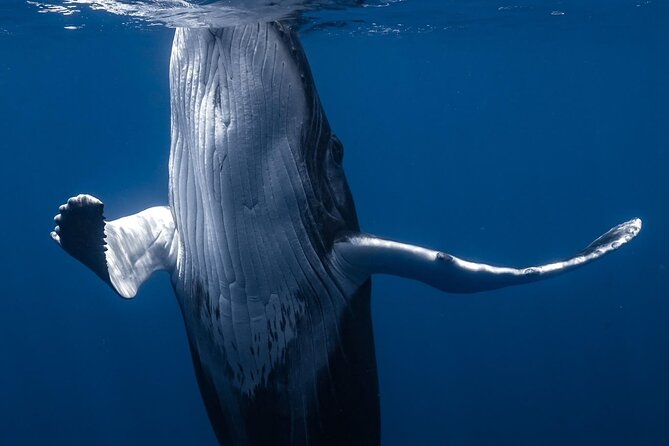
The most praised part of the experience is the crew’s handling of safety and animal behavior. Guides named Johnny, Joe, Grace, and Laura appear in the firsthand accounts, though your crew may be different. The guide may explain whale behavior in English and French, and the captain’s ability to position the boat is central to the day.
Good whale watching requires more than spotting a dark shape at the surface. The captain must read the whale’s movement, decide where it may surface, and place the boat without cutting across its path. When the animals are resting or moving with calves, the guide may ask you to wait quietly rather than swim after them.
This approach protects the whales and gives you a better encounter. A mother and calf passing naturally in front of you is far more memorable than a rushed chase. The best outings described a crew that worked hard to find whales but also respected their space.
Communication deserves a little attention. Most accounts describe clear instructions, but one person felt left out when much of the casual conversation on the boat was in French. If you do not speak French, mention your preference for English when you arrive and pay close attention during the safety briefing.
Life jackets, wetsuits, and what to bring
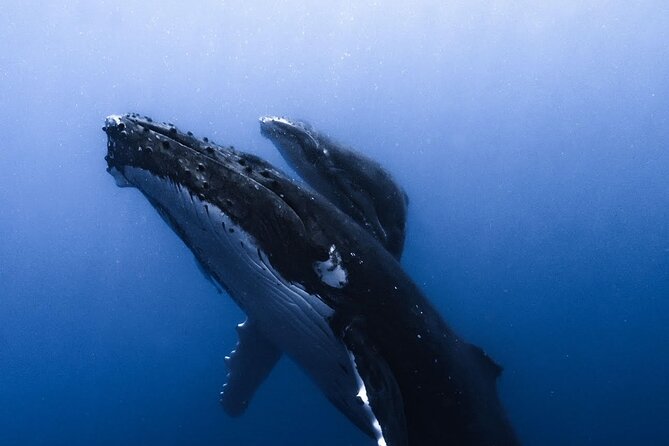
French law requires life jackets for whale-swimming tours unless you are wearing a neoprene wetsuit. A shorty or full suit qualifies. The operator has life jackets aboard, while wetsuits may be available to rent through a third party.
A wetsuit is worth considering for two reasons. It can provide warmth and buoyancy, and it lets you avoid the bulk of a life jacket while swimming. Contact the operator ahead of time if you need to arrange a rental, since the wetsuit service is separate.
Pack:
- Sunblock
- A towel
- Comfortable swimwear
- A waterproof camera or GoPro
- Any seasickness medication you normally use
A GoPro can capture the underwater view, but do not let filming take over the encounter. Whales may appear for only a short time, and the clearest memory may be the moment you stop looking at a screen.
Seasickness deserves serious attention. The boat can be exposed to rough water, and one person specifically advised taking a seasickness pill before departure. If you are prone to motion sickness, plan ahead rather than waiting until the boat is already moving.
The best and worst weather scenarios
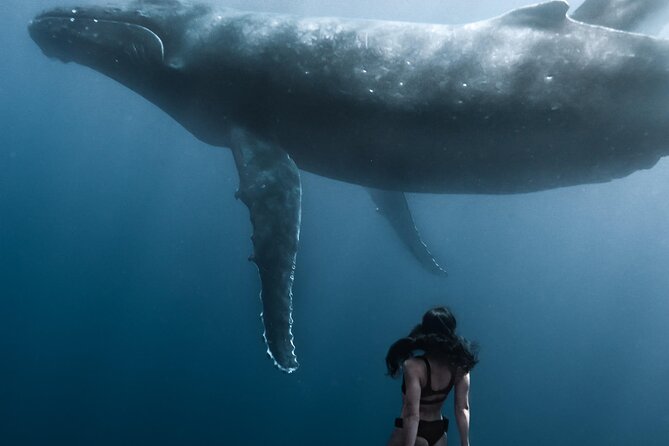
Calm seas and clear water make a major difference. In good conditions, you can float comfortably, hear instructions, and watch a whale approach without fighting the water. The visibility may let you see a mother and calf below you before they rise toward the surface.
Rough seas change the experience. You may spend more energy staying in position, and a whale may be harder to follow. The tour can still produce dolphins or boat-based whale sightings, but the swim may feel demanding.
The activity requires good weather. If conditions force a cancellation, you are offered another date or a full refund. The same applies if the minimum number of participants is not met. You can cancel for a full refund up to 24 hours before the start time, but changes or cancellations inside that window are not accepted.
Is $305.30 a fair price?
At $305.30 per person, this is an expensive half-day outing. You are paying for a small boat, a limited in-water group, equipment, bottled water, a captain, a guide, and the chance to reach animals that cannot be visited on a fixed schedule.
The value depends on how you judge wildlife experiences. If your priority is a guaranteed activity with a fixed result, the price may feel steep when whales stay distant. If you value expert boat handling, careful animal rules, and the chance to swim near a wild humpback, the small group makes the cost easier to justify.
The price also includes a form of flexibility. You might see dolphins instead of whales, or rays and sharks after a whale encounter. You are not simply transferred to one snorkeling location and sent home. The crew spends the morning searching for active wildlife.
I would book it for a special Moorea visit, especially during the July to late November season, but I would not build the whole vacation around one guaranteed whale encounter. Give yourself room for weather changes and remember that nature controls the schedule.
Who should book this experience
This trip suits you if you:
- Swim confidently in open water
- Already feel comfortable using a mask and snorkel
- Can remain calm around large wild animals
- Accept that sightings and water entries are not guaranteed
- Want a small-group experience rather than a crowded boat
- Appreciate guides who put animal welfare ahead of getting the closest possible view
It can also work for a mixed group when some people prefer to remain aboard. Non-swimmers can watch from the boat, though they should understand that the main purpose is the whale swim.
I would hesitate to recommend it if you dislike rough water, struggle with seasickness, or are uncomfortable swimming without a solid bottom nearby. You should also think twice if you expect the guide to tow you through the water. The crew may offer direction and assistance, but you are expected to swim well and manage yourself.
Should you book Moorea Expedition?
Book this half-day trip if swimming beside a humpback whale is high on your Moorea wish list and you meet the physical requirements. The strongest experience comes from the combination of a very small group, careful guides, and the chance to see mothers and calves at close range.
Go in with realistic expectations. You may enter the water several times, or you may see whales only from the boat. You may also encounter dolphins, stingrays, blacktip sharks, or turtles. Bring a towel, sun protection, a camera if you want one, and a plan for seasickness.
For confident swimmers, this is a memorable use of four hours and a strong choice for a once-in-a-lifetime wildlife encounter. For uncertain swimmers, choose the non-swimming option or another boat trip rather than turning the day into a struggle.
FAQ
When can I swim with humpback whales in Moorea?
The main whale-swimming season runs from July through late November. Encounters still depend on weather, sea conditions, and whale behavior.
How many people can swim from one boat?
Under 2025 government regulations, only six people per boat are allowed to swim with humpback whales. The activity also has a maximum of six participants.
Do I need strong swimming skills?
Yes. You need a strong fitness level, confidence in open water, and experience using a mask and snorkel. Conditions can range from easy to moderate and may become more challenging.
Can I join if I do not want to swim?
Yes. You can remain on the boat and watch the whales and other marine life. The operator also offers a separate non-swimming tour.
Is snorkeling equipment provided?
Yes. Snorkeling equipment, flotation devices, and bottled water are included. Sunblock and towels are not included.
What happens if bad weather cancels the tour?
You will be offered another date or a full refund if poor weather causes the activity to be canceled. You can also cancel for a full refund up to 24 hours before the scheduled start time.
Just added in Moorea
- Moorea: Small Group Snorkeling Tour with local guide★ 5.0 · 3 reviews
- Moorea: Lagoon and Reef Snorkeling Tour with Drinks★ 5.0 · 11 reviews
- Half day Private tour of Moorea Safari Albert Pick up hotel★ 5.0 · 4 reviews
- Private excursion to Moorea, photo tour & immersive discovery★ 4.5 · 7 reviews
- A Day of Big Game Fishing in a small group★ 4.0 · 16 reviews
- Private Marine Wildlife Adventure with Underwater Photography★ 5.0 · 17 reviews
- Professional Photo Shooting in Moorea, unique session adapted★ 5.0 · 8 reviews
- Half-day Big Fishing in Moorea on shared tour★ 4.5 · 20 reviews
Whale Watching, compared.
Humpback whale watching and marine life in Moorea
Read our review →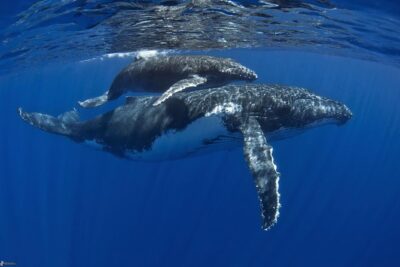
Private tour observing and swimming with humpback whales in Moorea
Read our review →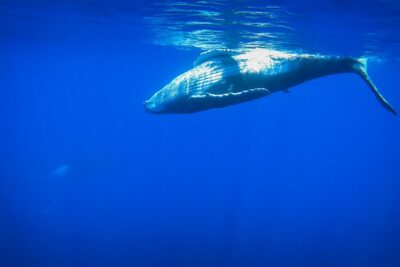
Browse the lists this tour appears in