
Reviewed · TAHITI
AOA Polynesian Forests – Hiking Sanctuary Biodiversity Tahiti
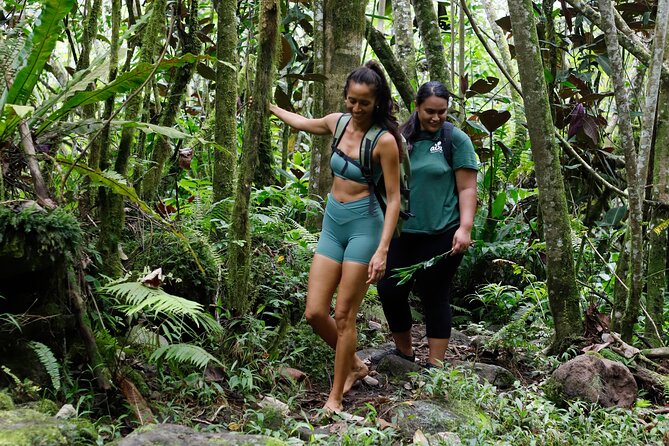
Tahiti’s AOA Polynesian Forests offers something many island outings do not: a private valley with no other groups or vehicles getting in the way. You follow a naturalist guide from bamboo stands to a grand banyan, learning how native plants are being restored in a living forest project.
I like the direct conservation work behind the visit, with 90 percent of each admission going toward protecting Polynesian biodiversity. I also like the simple ending: a snack beneath the bamboo, followed by a swim in the river. The main consideration is weather. This is an outdoor hike, and a poor-weather cancellation can affect your plans.
I also like that the walk is built around real observation rather than a quick photo stop. You may hear and see birds, identify edible plants, and gain a clearer sense of why invasive species pose such a serious problem. The four-hour length and optional transport cost are worth considering before you book.
Key points to know before you go
- A private forest setting: Only your group takes part, and the private estate has no vehicles or other tour groups moving through it.
- A conservation visit with a clear purpose: Ninety percent of each visit supports biodiversity protection, habitat restoration, native species reintroduction, and educational paths.
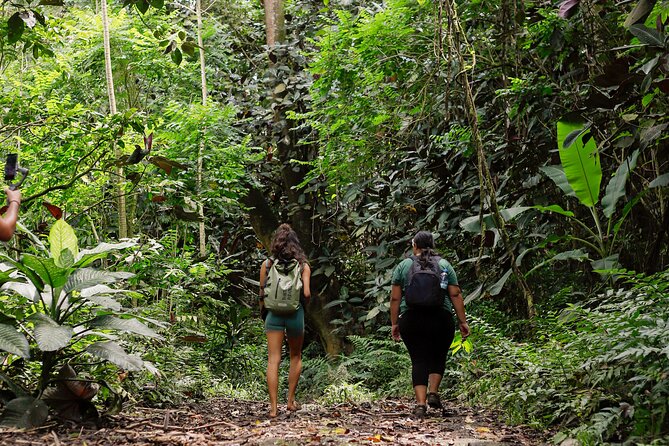
- A walk from bamboo to banyan: The route introduces Polynesian plant life while showing the work taking place in the valley.
- A naturalist-led outing: Your guide explains the restoration project and may point out birds and edible plants along the way.
- A river swim closes the visit: Bring what you need for bathing, since the final part includes time in the river.
- Transport is optional: The meeting point is Atimaono Park and Beach in Paparā, and vehicle service costs extra according to the distance from your accommodation.
Why AOA Polynesian Forests feels different from a standard Tahiti outing
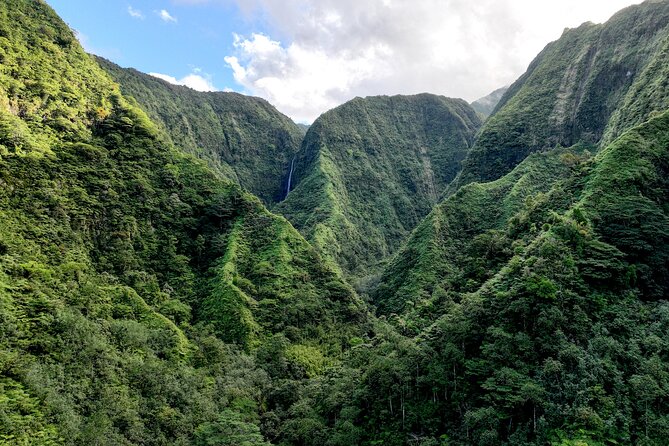
Many Tahiti activities are built around beaches, boats, viewpoints, or cultural performances. AOA Polynesian Forests takes a quieter route. The focus is the forest itself, along with the work needed to protect it.
The estate is private, which changes the mood from the start. You are not joining a large walking line or waiting for vehicles to clear a path. Your group has the setting to itself, making it easier to stop when the guide spots a plant or hears a bird.
That privacy matters most if you want to ask questions. You can take your time with the story of the valley, rather than simply passing through it. This is still a four-hour activity, not a full-day expedition, but the time allows the guide to connect the plants you see with the larger work of forest recovery.
The conservation element is practical. Funds help control invasive plants, bring back native and endemic species, protect terrestrial biodiversity, and develop educational paths that can be used by a broad range of people. You are not just walking through a pretty patch of forest. You are seeing a place being repaired and made useful for learning.
More walking inland in Tahiti:
- Crossing Island of Tahiti 4×4 Mountain, Waterfall, River, Basins
★ 4.5 · 532 reviews - Private Tahiti Circle Island – Waterfalls, Black Sand & Views
★ 5.0 · 92 reviews - Tahiti excursion adventure circuit MTB MTB E-Bike private valley
★ 5.0 · 54 reviews
From bamboo forest to the grand banyan
The route begins among bamboo and continues toward a grand banyan. Those two points give the walk a clear shape, but the value comes from what you learn between them.
Bamboo creates a distinct first setting, with tall stems and a shaded feel. The welcome snack takes place beneath the bamboo, so the visit does not begin with a rushed briefing and an immediate march uphill. You have a chance to settle into the setting before the walk develops.
From there, the naturalist guide introduces Polynesian flora and the restoration project. The supplied information does not name the guides, but it makes clear that the walk is led by someone deeply engaged with the forest work. That matters here because the plants are the main subject, not just background scenery.
The grand banyan gives the route a memorable destination. You can expect the guide to use the forest itself as the classroom, explaining how native and endemic species fit into the local ecosystem and why invasive plants need to be managed.
Do not expect a conventional sightseeing checklist. The attraction is not a string of famous monuments. It is the chance to understand plant life, notice birds, and see how a private valley can support conservation and education.
What you may learn about Tahitian biodiversity
The most praised feature of this activity is the chance to make a real discovery of Polynesian nature. The outing can include listening for and seeing bird species, identifying edible plants, and learning about the uses of plants found along the route.
That makes the walk more engaging than a simple nature stroll. You are encouraged to look closely and pay attention to details that are easy to miss when you walk without a guide. A leaf may have a practical use. A plant may be native, endemic, or introduced. A quiet sound in the trees may point to a bird you would otherwise never notice.
Edible plants are an especially useful part of the visit. The information available indicates that you may discover and eat some of them. This is not presented as a meal, so think of it as a small hands-on lesson rather than a food tour.
The walk also puts invasive plants into context. Controlling them is one of the project’s stated goals because introduced species can crowd out native growth. Reintroducing native and endemic plants takes more than planting a few specimens. It requires ongoing care, monitoring, and a place where those species can grow.
For you, the benefit is a clearer connection between conservation language and physical work. You see the forest, hear why it needs help, and learn how restoration changes the valley over time.
A private four-hour outing, with room to pay attention
The activity lasts about four hours. That is long enough to make the forest the main event, while short enough to fit into a larger Tahiti itinerary.
A four-hour block includes the guided walk, the welcome snack, and the river swim. Build in extra time around the official duration if you need to reach the meeting point from elsewhere on the island. The meeting point is Atimaono Park and Beach, listed at 6GCQ+CMQ in Paparā.
The private format is an important part of the value. Only your group participates, so the pace can suit the people who booked together. A group interested in plants may pause more often. A group focused on the swim may move through the walk more briskly, within the guide’s plan.
The activity is described as accessible to all, and most people can participate. Still, this remains a forest hike, so you should be comfortable spending time outdoors and walking on a natural route. Exact trail conditions, elevation, and distance are not provided, so ask the operator if anyone in your party has specific mobility concerns.
Service animals are allowed. That is useful practical information, but the operator should still be contacted in advance if you need to discuss the route or any particular access requirement.
More of the culture in Tahiti:
- Discover the Beauty of Polynesian Waters by Boat and Snorkeling
★ 5.0 · 24 reviews - Papeete and Tahiti Historical and Cultural Tour
★ 5.0 · 8 reviews - Moorea Highlights Private Tour: Natural and Cultural Attraction
★ 5.0 · 7 reviews - Tahiti: Private Half Day Culture and Nature Highlights Tour
★ 5.0 · 3 reviews
The bamboo snack and the river finish
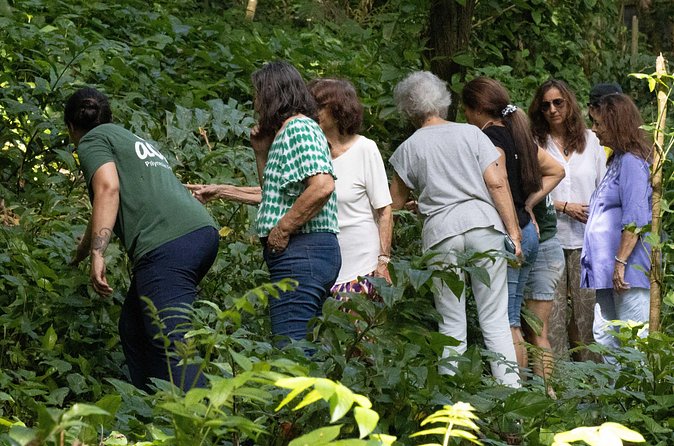
The snack under the bamboo is a small detail, but it improves the rhythm of the outing. You get a pause in the shade and a chance to talk about what you have seen before the final activity.
No detailed snack menu is provided, so do not book this as a substitute for lunch. Treat it as a light welcome and rest stop.
The river swim is the clearest change of pace. After a guided walk through the forest, you can cool off in the water and finish outdoors rather than returning directly to a vehicle or building. The swim is included in the admission price.
Bring the practical items you would want for bathing, although the provided information does not specify changing facilities, towels, water shoes, or storage. Since those details are not confirmed, pack conservatively and ask before departure if they matter to you.
The river is also why weather matters. Rain can affect both the walking conditions and the swimming portion. The activity requires good weather, and a cancellation for poor conditions brings either another date or a full refund.
What the $102.03 price represents
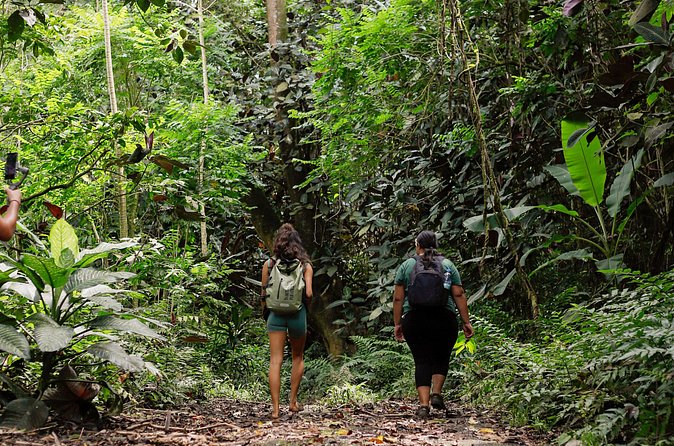
At $102.03 per person, this is not the cheapest way to spend four hours in Tahiti. The value depends on what you want from the outing.
You are paying for a private visit, admission to a private estate, a naturalist-led walk, a snack, and river bathing. More importantly, 90 percent of each visit goes directly toward protecting and restoring Polynesian terrestrial biodiversity. That money supports invasive plant control, the return of native and endemic species, and educational paths in the valley.
If you only want a short woodland walk, the price may feel high. You can likely find less costly ways to spend time outdoors. But those options may not give you private access, guided plant knowledge, a conservation focus, and a swim in the same four-hour visit.
The price does not include air-conditioned transport. Transport can be arranged for an additional charge, with the rate based on the distance between your accommodation and AOA Forest. This is worth sorting out before booking, especially if you are staying far from Paparā.
For me, the strongest value comes from the combination of access and purpose. You are not simply paying for scenery. You are helping fund a working restoration project while receiving a guided introduction to the forest.
Who will enjoy this forest visit most
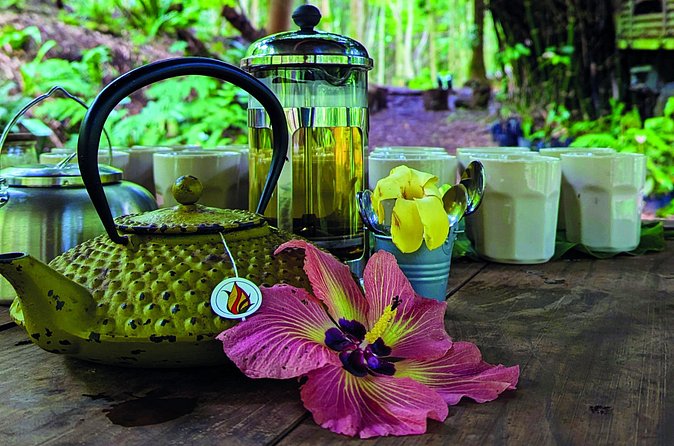
I would recommend AOA Polynesian Forests to you if you like learning the names, uses, and roles of plants rather than just photographing them. It suits people who prefer a small private outing to a crowded group excursion.
It is also a good fit if you want your spending to support local environmental work. The clear donation structure makes it easier to understand where much of your admission goes.
Families and mixed-age groups may appreciate the different parts of the day. The guide-led walk provides learning and observation, the snack offers a pause, and the river gives the outing a relaxed finish. The activity is described as accessible to all, though you should confirm trail details for anyone with particular mobility needs.
Bird watchers may find the visit rewarding because the guided experience can include listening for and seeing birds. Plant lovers will have even more to keep them interested, especially if edible plants and restoration methods catch your attention.
I would think twice if you want a fast, highly scheduled tour with many major sights. This outing is deliberately focused. Its pleasure comes from noticing a small number of natural features and understanding them better.
Practical planning for Atimaono Park and Beach
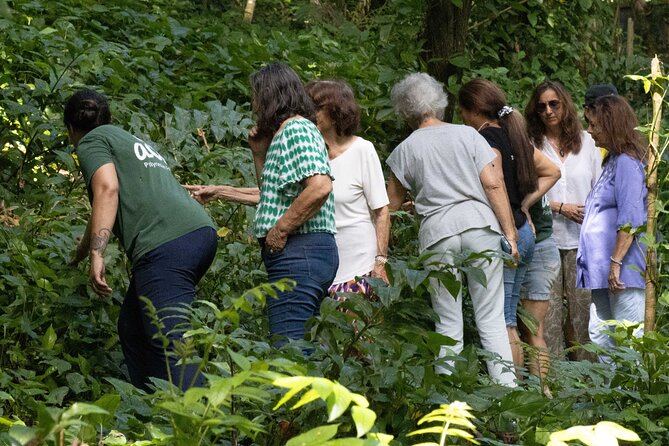
Your meeting point is Atimaono Park and Beach in Paparā, French Polynesia. The activity ends back at the same meeting point, so plan your return trip from there.
Mobile tickets are accepted, and confirmation is received when you book. Air-conditioned transport is not included, but it can be arranged as an option. Since the cost depends on your accommodation’s distance from the forest, request that figure before you finalize your budget.
The activity is commonly booked well ahead, with an average lead time of 76 days. That does not guarantee every date will sell out, but it is a useful signal if your Tahiti schedule is fixed. A private conservation outing with a limited estate setting may have fewer spaces than a large bus tour.
You can cancel for a full refund up to 24 hours before the start time. Changes or cancellations inside that 24-hour window are not accepted for a refund. The cut-off follows local time.
Pack for both walking and swimming. The provided details confirm a river swim but do not specify towels, changing rooms, or footwear. Check those points with AOA Polynesian Forests if they affect your comfort.
My recommendation: book it for purpose, not just scenery
I would book AOA Polynesian Forests if you want a quieter Tahiti experience with a strong conservation purpose. The private estate, naturalist guidance, plant discoveries, bamboo snack, and river swim make a well-shaped half-day outing.
The best reason to go is the chance to understand Polynesian biodiversity in a place actively working to protect it. The most useful warning is that the price does not include transport, and the route depends on good weather.
Book this if you enjoy nature, bird watching, edible plant knowledge, or responsible tourism. Skip it if you want a low-cost activity, a beach-only day, or a packed sightseeing schedule. For the right kind of visitor, the $102.03 fee buys more than access to a forest. It helps keep that forest alive.
FAQ
Where does the AOA Polynesian Forests activity begin?
It begins at Atimaono Park and Beach in Paparā, French Polynesia. The listed location code is 6GCQ+CMQ.
Where does the activity end?
The activity ends back at the meeting point.
How long does the activity last?
The experience lasts about four hours.
Is transportation included?
No. Air-conditioned transport is not included, but it can be arranged for an additional charge. The price depends on the distance between your accommodation and AOA Forest.
Is this a private activity?
Yes. Only your group participates, and the private estate is visited without other groups or vehicles.
Is a guide included?
Yes. A passionate naturalist guide supervises the forest walk.
What does the walk include?
The route goes from the bamboo forest to a grand banyan and introduces Polynesian flora and the biodiversity restoration project.
Is food included?
A snack beneath the bamboo is included. No detailed menu is provided.
Is swimming included?
Yes. Bathing in the river is included at the end of the activity.
What happens if the weather is poor?
The experience requires good weather. If it is canceled because of poor conditions, you can choose another date or receive a full refund.
More Hiking & Trekking in Tahiti
- Moorea: Island Tour with Waterfall Hike and Lunch
★ 5.0 · 3 reviews - Half-Day Guided Hike to Afareaitu Waterfall
★ 5.0 · 177 reviews - Private Day Trip Hike and Boat in Moorea
★ 5.0 · 48 reviews - Private Half-Day Hike in the Opunohu Valley in Moorea
★ 5.0 · 26 reviews
Just added in Tahiti
- Small group snorkeling (5 people max): wrecks & tropical fishes at 3:30pm★ 5.0 · 7 reviews
- Wholesale Fishing in Poti Marara at Tahiti Teahupoo Peninsula★ 5.0 · 4 reviews
- Taxi Boat to Watch the Teahupoo International Surfing Competition★ 4.5 · 13 reviews
- Whale Watching Activity★ 5.0 · 8 reviews
- SURF TAHITI Bites & Waves – Surf experience with every bite★ 5.0 · 7 reviews
- Sunset sailing trip on the Lagoon of Tahiti★ 5.0 · 5 reviews
- Private and Local Sunset Cruise in Tahiti★ 5.0 · 5 reviews
- Sunset Cruise in Tahiti★ 4.5 · 6 reviews
Waterfall & Valley Hikes, compared.
Private Tahiti Circle Island – Waterfalls, Black Sand & Views
Read our review →
Full-Day Upolu Island Tour with Waterfalls and Beaches
Read our review →

Tahiti excursion adventure circuit MTB MTB E-Bike private valley
Read our review →
Private Half-Day Hike in the Opunohu Valley in Moorea
Read our review →
Tahiti Half Day Small Group Circle Tour – Waterfalls & Caves
Read our review →Browse the lists this tour appears in