
Reviewed · MOOREA
Polynesian culinary experience
Moorea’s best food experience may be the one that takes you away from the resort table and into Paopao Valley, where pineapple fields, mountain peaks, and growing gardens set the scene for a hands-on Polynesian cooking class. With Audrey and Stevenson, you learn how local ingredients are grown, prepared, and used at home, then sit down to eat what you helped make.
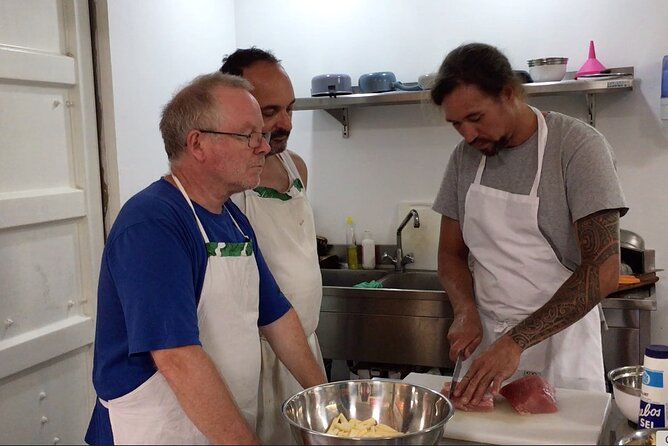
I like the strong connection between food and culture, and I like that this is not just a demonstration. You help prepare the meal, identify plants, handle fresh tuna, and learn why banana leaves, coconut, breadfruit, and local vegetables matter in Polynesian cooking. The setting and the warm, family-style meal add plenty of charm.
The main consideration is time. This is a three-and-a-half-hour morning activity, beginning at 9:00 a.m., so it takes a solid block from your Moorea schedule. Transportation is not included, and alcohol is not part of the meal. If you want a quick cooking lesson, this will feel long. If you want context, conversation, and lunch, the pace works well.
Key points at a glance
- A farm-to-table setting: The class takes place near pineapple fields and gardens in Paopao Valley.
- Guides with a personal touch: Audrey and Stevenson teach the recipes while discussing Polynesian history, agriculture, and daily life.
- Hands-on local cooking: You may prepare poisson cru, coconut bread, grilled tuna, roasted breadfruit, coconut chips, and banana-leaf desserts.
- A full meal is included: Coffee or tea, snacks, and lunch are part of the experience, with some visitors receiving leftovers to enjoy later.
- Private participation: Only your group takes part, making the class a good fit for couples, families, and small groups.
- Useful take-home value: Recipes are provided so you can try the dishes again at home.
Cooking in Moorea’s Paopao Valley
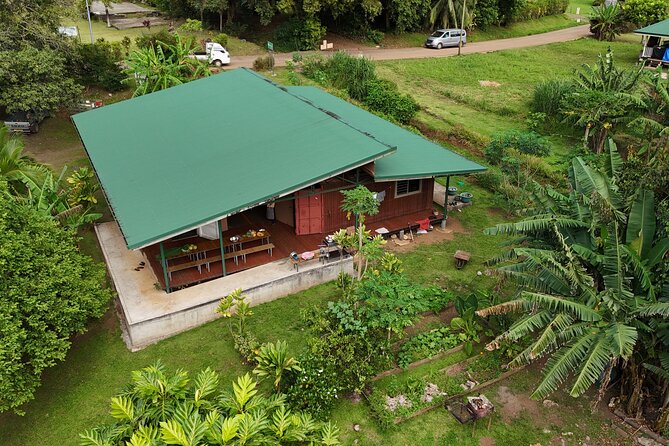
The setting gives this class its first lesson. You meet at F5MG+32W in Moorea-Maiao, in the Paopao Valley area, surrounded by pineapple fields and tropical gardens. The facility is described as a professional space used for workshops and culinary training, located beside a production laboratory.
That combination matters. You are not simply cooking in a restaurant kitchen with ingredients brought in from somewhere else. The experience connects the food on your plate with the plants and produce growing around you. You get a glimpse of the resources available in the valley and how local food traditions are tied to the land.
The surrounding scenery also makes the morning feel distinct from a standard indoor cooking class. Moorea’s jagged peaks rise around the valley, while the gardens provide a close look at tropical plants. The class includes identifying plants and learning about fruits and vegetables grown in Polynesia, so the outdoor setting is part of the lesson rather than just a pretty backdrop.
The facility itself is described as clean, organized, and well maintained. That is useful to know if you are comparing this with a rustic market visit or an informal home meal. You get a professional teaching space, but the social tone remains relaxed and personal.
More of the culture in Moorea:
- Moorea : Safari Nature and Culture Tour with local guide
★ 5.0 · 27 reviews - Land and Sea cultural tour to discover traditions, heritage and the lagoon
★ 4.5 · 24 reviews - Authentic Polynesian Experience
★ 5.0 · 491 reviews
Meeting Audrey and Stevenson
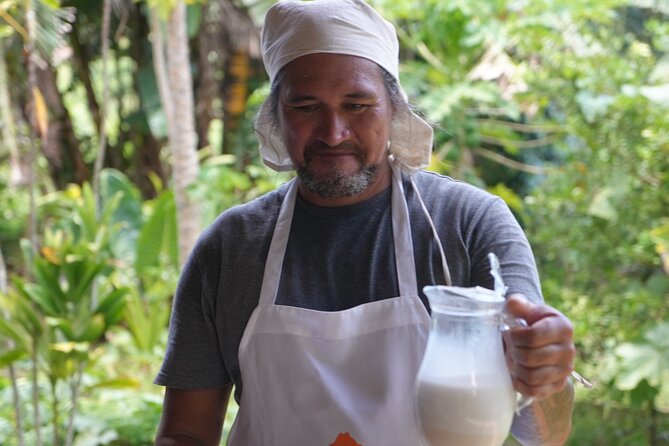
Audrey and Stevenson lead the class, with help from their team. Their teaching covers more than recipes. You learn about Polynesian culture, the history of the islands, local agriculture, traditional cooking methods, and the changes Polynesian society is going through today.
Their backgrounds and personal connection to the work are part of the experience. The class is built around conversation, so you have the chance to ask questions as you work. The atmosphere is described as friendly and family-oriented, with the meal shared together after the preparation is finished.
That format is especially useful if you prefer learning through stories and discussion. A recipe alone can tell you how much coconut milk to use, but it cannot explain why certain ingredients are common, which foods are native, what is seasonal, or what is imported. Audrey and Stevenson fill in that missing context.
The teaching also appears to be well structured. Everyone has a part to play, so you are not left watching one person do all the work. That is an important distinction. Some cooking classes are really demonstrations with a small tasting at the end. Here, the goal is participation.
Preparing Poisson Cru and Fresh Tuna
One of the main dishes is poisson cru, a Polynesian preparation made with raw fish and local flavors. The class includes learning how to carve tuna for the dish, making this more practical than simply sampling it at a restaurant.
You also prepare grilled tuna with homemade sauces. Fresh line-caught red tuna is used, and the fish is cooked on a barbecue. The class may include two different glazes or sauces for the grilled tuna, giving you a chance to compare flavors and see how one main ingredient can be treated in several ways.
Fish is an important part of the local food experience, but the class does not stop at the familiar poisson cru. That is useful if you have already tried it elsewhere in French Polynesia and want a broader view of island cooking. You learn how seafood fits alongside breadfruit, coconut, vegetables, fruit, and starchy ingredients.
The tuna preparation also gives the class a practical edge. Carving fish and cooking it over a barbecue are skills you can remember and attempt again, rather than facts that disappear as soon as lunch is over.
Coconut Bread, Breadfruit, and Banana Leaves
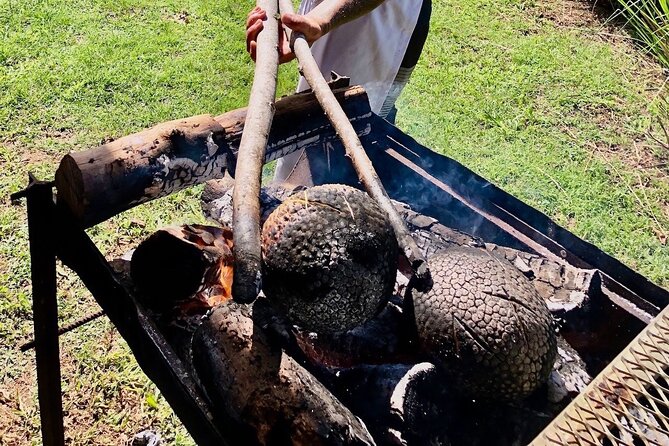
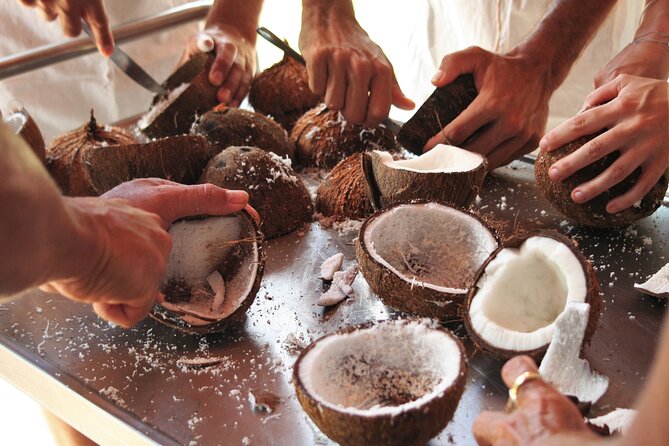
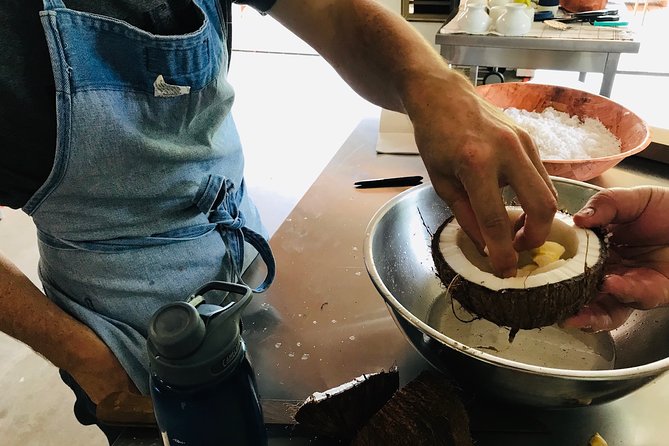
The class includes several traditional cooking techniques that make good use of locally available materials. Coconut bread is wrapped in a leaf before cooking, while breadfruit is roasted. These methods show how Polynesian cooks have used plants and natural materials in practical ways.
You may also prepare a pumpkin and tapioca dessert wrapped in a banana leaf. Coconut chips are another possible part of the menu. Together, these dishes create a varied meal with savory, sweet, grilled, roasted, and wrapped preparations.
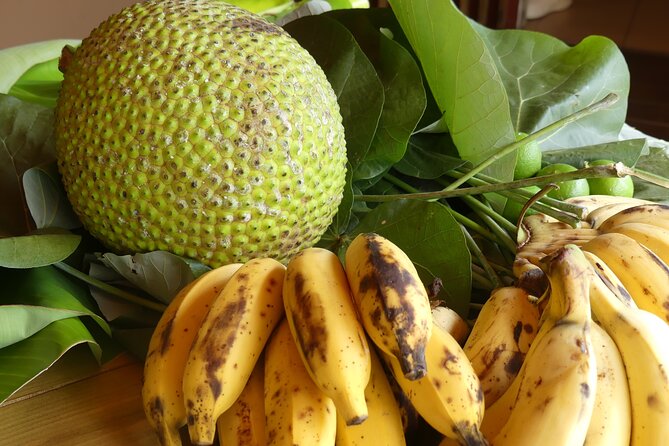
I like this part of the experience because it shows the logic behind the cuisine. Banana leaves are not only decorative. They help wrap and cook food. Coconut appears in different forms. Breadfruit provides a filling staple. Local produce is handled in ways that suit the ingredients and the available cooking methods.
Menus can change with seasonal produce and availability, so you should not treat every dish as guaranteed. The foods repeatedly associated with the class include poisson cru, coconut bread, tuna, breadfruit, coconut chips, and the banana-leaf dessert. The overall lesson is more important than any one fixed menu.
A different sort of day out:
- Moorea 6-Hour Snorkeling and Lunch Shared Tour
★ 5.0 · 1,758 reviews - Moorea 4WD Tour Inc. Belvedere, Pineapple Farm, Magic Mountain…
★ 5.0 · 967 reviews - Snorkeling excursion, discovery of the lagoon, small group.
★ 5.0 · 861 reviews - Franckyfranck Tours Moorea – Half day Tours
★ 5.0 · 817 reviews
From Garden Ingredients to a Shared Lunch
After the preparation, everyone sits down to eat the meal together. Coffee, tea, snacks, and lunch are included in the $99 price, as are fees and taxes.
This shared meal is more than a final tasting. It gives you time to talk with Audrey and Stevenson, compare the dishes, and ask follow-up questions. The tone is social rather than rushed. Some meals even leave enough food for leftovers later in the day, though that should be viewed as a pleasant possibility rather than a promise.
The food is made with fresh local ingredients, much of it connected to the gardens and farm setting. That farm-to-table link is one of the strongest reasons to choose this activity over a restaurant meal. You are not only eating Polynesian food. You are learning how the ingredients move from garden, field, or sea to the table.
The class also works well for people who like to eat at the end of a cooking activity. You are not paying $99 for a small sample or a single dish. The experience includes several preparations, snacks, drinks, and a full lunch, along with instruction and cultural discussion.
How Much Value Do You Get for $99?
At $99 per person, this is not the cheapest way to spend a morning in Moorea. Its value depends on what you want from the outing.
If you measure the cost against lunch alone, you can probably find less expensive food. But the price covers about three and a half hours, a private activity for your group, hands-on instruction, ingredients, snacks, coffee or tea, lunch, and the cultural program. You also receive recipes to use at home.
The private format helps justify the price for couples, families, or friends who want direct contact with the guides. Only your group participates, so the pace and conversation can feel more personal than a large class.
The experience also provides something a restaurant cannot: a connection between agriculture, cooking methods, family life, and history. If that kind of learning is important to you, the cost is fair. If you mainly want to eat and move on to the beach, the class may not be the best use of your budget.
The strong satisfaction record supports the idea that the activity delivers what it promises. It has a five-star rating from 137 reviews and is recommended by 100 percent of participants. Those figures do not guarantee that every menu or conversation will suit every person, but they do show consistent approval.
Who Will Enjoy This Class Most?
This is a good choice for people who want more from Moorea than snorkeling, viewpoints, and resort meals. You will get the most from it if you enjoy asking questions, trying unfamiliar ingredients, and taking part in food preparation.
It suits couples particularly well, including honeymooners and people planning a special birthday activity. Families can also enjoy it because the pace is described as laid-back, and everyone has a role during the preparation.
Older visitors may find the private format helpful. A 92-year-old participant was able to take part, though you should judge your own comfort with the facility and cooking tasks. The class also accommodates vegetarian needs, based on the experience of a vegetarian participant, but you should communicate dietary requirements when booking.
You do not need to be a serious cook. The class is designed around learning and participation, not advanced technique. Food lovers and home cooks will have plenty to take away, but first-time cooks can enjoy the meal and the cultural side just as much.
Practical Details Before You Book
The experience begins at 9:00 a.m. and lasts approximately three hours and thirty minutes. It ends back at the meeting point, so plan your day around a late-morning or early-afternoon finish.
Transportation is not included. You need to make your own way to F5MG+32W, Moorea-Maiao. There is no air-conditioned vehicle provided as part of the experience, so check your route and transport plans before booking.
A mobile ticket is available, and confirmation is received at booking. Service animals are allowed. Since the activity is private, only your group participates.
Alcoholic drinks are not included. Coffee and tea are included, along with snacks and lunch. If you want wine or another alcoholic drink with the meal, you will need to make other plans, subject to what is permitted at the venue.
Free cancellation is available if you cancel at least 24 hours before the 9:00 a.m. start time. A cancellation made less than 24 hours ahead is not refunded, and changes inside that window are not accepted. The cut-off follows Moorea’s local time.
What Could Be Better?
The class has a clear focus, but it will not suit every itinerary. Three and a half hours is a meaningful commitment on a small island where you may also want time for beaches, hikes, boat trips, and snorkeling.
The lack of included transportation is another point to weigh. If you do not have easy access to the meeting point, the $99 price does not cover that added planning or expense.
The menu is based on local ingredients, so diners who dislike fish, coconut, breadfruit, or unfamiliar textures may have fewer choices. Vegetarian accommodations have been made, but you should arrange them in advance rather than assume they will happen automatically.
Finally, this is a cooking and culture experience, not a sightseeing tour. The mountain views and pineapple fields add atmosphere, but the main event is preparing and eating food. Choose it for the kitchen, the gardens, and the conversation, not because you expect a full island tour.
Should You Book This Moorea Cooking Experience?
I would book this if you want to understand Moorea through its food. The combination of a garden setting, fresh tuna, local produce, traditional cooking methods, recipes, and a shared lunch gives you a more lasting connection to the island than another restaurant meal.
Book early if the timing works for you, since the experience has been popular and is limited to private groups. It is especially well suited to couples, families, home cooks, and anyone who values culture as much as scenery.
Skip it if you need a short activity, included transport, or an alcohol-focused lunch. But if you can spare the morning and want to learn how Polynesian food is grown, prepared, and shared, $99 is a reasonable price for a personal and filling introduction to Moorea.
FAQ
Where does the Polynesian culinary experience take place?
It takes place in Paopao Valley on Moorea, near pineapple fields and growing gardens. The meeting point is F5MG+32W, Moorea-Maiao, French Polynesia.
What time does the activity begin?
The experience starts at 9:00 a.m.
How long does the cooking experience last?
The activity lasts approximately three hours and thirty minutes.
Is transportation included?
No. An air-conditioned vehicle is not included, and you need to arrange your own transportation to the meeting point.
Is lunch included?
Yes. Lunch, snacks, coffee or tea, fees, and taxes are included.
Are alcoholic drinks included?
No. Alcoholic beverages are not included.
Is the activity private?
Yes. Only your group participates in this private activity.
What dishes might I prepare?
The class may include poisson cru, coconut bread wrapped in leaves, grilled tuna with local sauces, roasted breadfruit, coconut chips, and a pumpkin and tapioca dessert wrapped in a banana leaf.
Are recipes provided?
Yes. Recipes are provided for you to use at home.
Can dietary needs be accommodated?
Vegetarian accommodations have been made for participants. You should share your dietary requirements when booking.
Can I cancel for a full refund?
Yes, if you cancel at least 24 hours before the experience start time. Cancellations made less than 24 hours before the start are not refunded.
Just added in Moorea
- Moorea: Small Group Snorkeling Tour with local guide★ 5.0 · 3 reviews
- Moorea: Lagoon and Reef Snorkeling Tour with Drinks★ 5.0 · 11 reviews
- Half day Private tour of Moorea Safari Albert Pick up hotel★ 5.0 · 4 reviews
- A Day of Big Game Fishing in a small group★ 4.0 · 16 reviews
- Private Marine Wildlife Adventure with Underwater Photography★ 5.0 · 17 reviews
- Professional Photo Shooting in Moorea, unique session adapted★ 5.0 · 8 reviews
- Private excursion to Moorea, photo tour & immersive discovery★ 4.5 · 7 reviews
- Guided Excursion in 4×4 in Moorea between Land and Sea★ 5.0 · 21 reviews
Polynesian Culture Tours, compared.
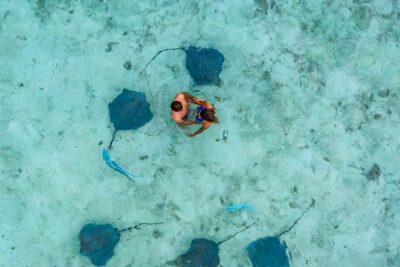
Bora Bora Snorkel Cruise by Polynesian Outrigger Canoe with BBQ Island Lunch
Read our review →
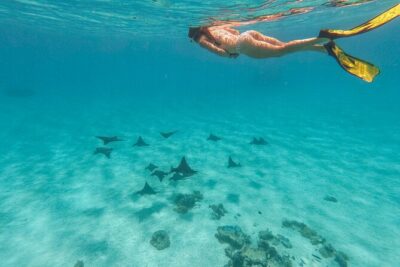
SHARED FULL DAY CULTURAL & LAGOON TOUR – Bora Bora Cultural Lagoon Tour
Read our review →
Private flight, in a light plane over the Polynesian motus from Raiatea
Read our review →
Safari Nature and Culture Tour with local guide
Read our review →
Land and Sea cultural tour to discover traditions, heritage and the lagoon
Read our review →
Discover the Beauty of Polynesian Waters by Boat and Snorkeling
Read our review →Browse the lists this tour appears in